No products in the cart.

VVS vs VS Diamond Price Difference: The Complete 2026 Buyer’s Guide
Introduction: Why Clarity Matters
When shopping for a diamond – whether for an engagement ring, a pendant, or an investment piece – two clarity grades generate the most confusion among buyers: VVS (Very Very Slightly Included) and VS (Very Slightly Included). At OM Jewels Inc, we believe every customer deserves to make an informed choice. That’s why we’ve put together this comprehensive 2026 guide breaking down the real price differences, visual distinctions, and smart buying advice.
Understanding these grades can save you thousands of rupees – or help you justify a premium purchase with full confidence.
About VVS vs VS Diamond?
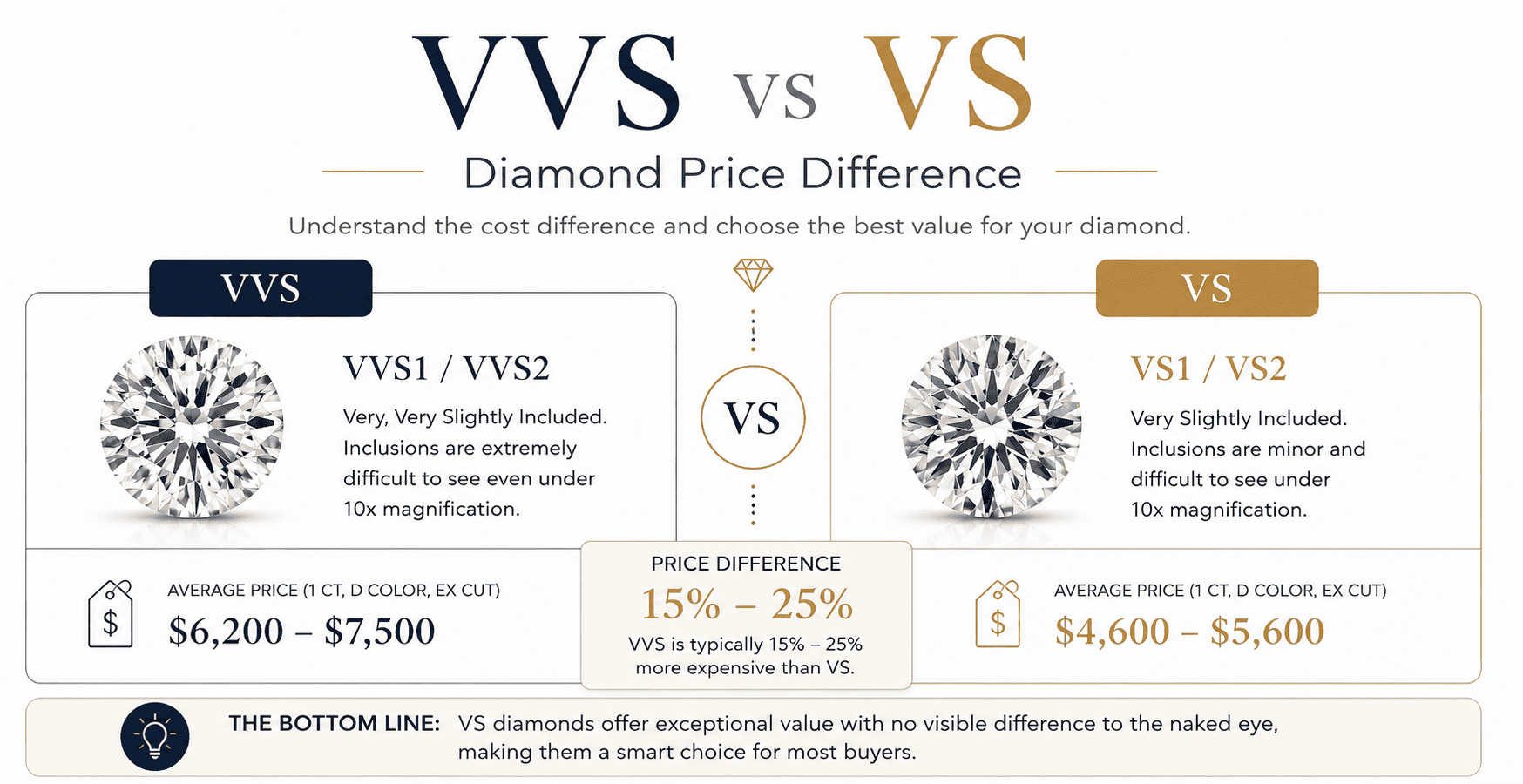
VVS stands for Very Very Slightly Included. It is the third-highest clarity grade on the GIA (Gemological Institute of America) clarity scale – sitting just below Internally Flawless (IF). VVS diamonds have extremely minute inclusions that are incredibly difficult to spot, even under professional 10x magnification.
VVS Subcategories
- VVS1: The higher-grade inclusions are essentially invisible even to trained gemologists under magnification.
- VVS2: Inclusions are barely visible under 10x magnification but are still challenging to detect. May appear slightly closer to the center (table) of the diamond.
- Both VVS1 and VVS2 are completely eye-clean – you will never see imperfections with the naked eye.
Everything else being equal, VVS1 diamonds typically cost about 10% more than VVS2 diamonds.
What is a VS Diamond?
VS stands for Very Slightly Included. It is the fourth grade on the GIA clarity scale, one step below VVS. VS diamonds contain minor inclusions that are visible under 10x magnification, but are still very difficult to see without magnification assistance.
VS Subcategories
- VS1: Inclusions are very difficult to see under 10x magnification. Almost always eye-clean.
- VS2: Inclusions are somewhat easier to spot under magnification and very rarely may be visible to a keen naked eye in larger stones (2ct+).
For the vast majority of buyers, a VS1 or VS2 diamond will look identical to a VVS diamond in everyday wearing conditions.
If you’re considering an oval or round diamond, this guide will help you compare their appearance, brilliance, size, and value. Explore our complete Oval vs. Round Diamond Guide to find the perfect choice for your needs.
VVS vs VS: Side-by-Side Comparison
| Feature | VVS (VVS1 & VVS2) | VS (VS1 & VS2) |
| Inclusions | Extremely tiny, near-invisible even under 10x | Very small, visible under 10x magnification |
| Eye-Clean? | Yes – always | Yes – almost always |
| Price Premium | 10–20% higher than VS | Baseline reference grade |
| Best For | Premium buyers, step cuts (Emerald, Asscher) | Value-conscious buyers, brilliant cuts |
| Resale Value | Higher | Moderate |
VVS vs VS Price Difference: The Numbers
The price gap between VVS vs VS diamonds is one of the most important considerations for buyers. On average, VVS diamonds cost 10–20% more than VS diamonds of similar quality (same carat weight, cut grade, and color). In some cases – particularly with larger stones and premium colors – this premium can reach up to 40%.
Approximate Price Reference (USD, Round Brilliant, G Color, Excellent Cut – 2026)
| Clarity Grade | 0.5 Carat | 1.0 Carat | 2.0 Carat |
| VVS1 | ~$1,800 | ~$7,200 | ~$22,000 |
| VVS2 | ~$1,550 | ~$5,550 | ~$18,500 |
| VS1 | ~$1,350 | ~$5,000 | ~$15,000 |
| VS2 | ~$1,150 | ~$4,470 | ~$12,500 |
Note: Prices are approximate market benchmarks as of 2026. Actual prices vary by retailer, certification, and individual stone characteristics. Contact leading diamond manufacturer OM Jewels Inc for current US$ pricing and certified stone availability.
The Key Insight: Is VVS Worth the Premium?
Here’s the honest answer most jewellers won’t tell you: for the majority of diamond shapes and carat weights, a well-chosen VS2 diamond will look absolutely identical to a VVS1 to the naked eye. The premium you pay for VVS is largely for technical rarity, not visible beauty.
When VVS IS Worth It
- Step-cut diamonds (Emerald, Asscher): These shapes act like windows into the stone. Their long, open facets make inclusions more visible – VVS or even VS1 is strongly recommended.
- Large diamonds (2ct and above): At larger sizes, inclusions in VS2 stones can occasionally be visible to a trained eye.
- Investment and collectible diamonds: VVS grades carry higher resale value and are preferred in the secondary market.
- Colourless diamonds (D, E, F): Pairing a high colour grade with a lower clarity grade can look mismatched – VVS is the traditional choice.
When VS is the Smarter Choice
- Brilliant-cut diamonds (Round, Princess, Oval, Pear): Their sparkle and facet pattern naturally mask inclusions – VS1 or VS2 is excellent value.
- Budget-conscious buyers: Redirect savings into a higher carat weight or better cut grade, both of which visibly impact beauty.
- Everyday jewellery: Earrings, pendants, and fashion rings worn daily benefit more from a great cut than from VVS clarity.
GIA Grading: Why Certification Matters
At OM Jewels Inc, every diamond we sell above 0.30 carats comes with a GIA (Gemological Institute of America) grading report. The GIA clarity scale contains 11 grades from Flawless (FL) to Included (I3). VVS and VS grades are determined by trained gemologists using standardised equipment and methodology.
- Never purchase an uncertified diamond when comparing VVS vs VS grades – the difference is invisible to the untrained eye, and only a certified report guarantees the grade.
- IGI and AGS certifications are also widely accepted, but GIA remains the gold standard in India and internationally.
- Be wary of in-house certifications from retailers – they can inflate clarity grades.
Before making a purchase, it’s important to verify that your diamond certificate is genuine and accurately reflects the stone’s quality. Understanding how to check a diamond report can help you avoid costly mistakes and buy with confidence. Read our complete guide on diamond certificate verification to learn the essential steps every buyer should know.
OM Jewels Inc Buying Tips for 2026
Our experts at OM Jewels Inc recommend the following approach when choosing between VVS and VS diamonds:
- Prioritise cut above all else: A beautifully cut VS2 diamond will outshine a poorly cut VVS1 every time. Cut determines brilliance and fire.
- View the actual stone: Request high-resolution images or in-person viewing before purchasing. Our showroom in USA, NY, offers private diamond viewing appointments.
- Consider the diamond 4 Cs holistically: Clarity is just one piece of the puzzle. Carat, Colour, and Cut interact to determine a diamond’s final appearance and price.
- Ask about eye-clean VS2: Many VS2 diamonds are just as eye-clean as VVS. Our gemologists can help you identify the best value stone.
- Think about long-term value: If you’re purchasing as an investment or heirloom, VVS is a more future-proof choice with stronger resale performance.
Frequently Asked Questions
Can you tell the difference between VVS and VS with the naked eye?
No – in almost all cases, both VVS and VS diamonds are completely eye-clean. The difference is only detectable under 10x professional magnification.
Which is better for an engagement ring?
Both are excellent choices. For round brilliant cuts, a VS1 or VS2 offers superb value. For emerald or Asscher cuts, consider VVS for the best appearance. Perfect Diamond Pairs For Unique Engagement Ring
Do VVS diamonds hold value better?
Yes. VVS diamonds, particularly VVS1, command a higher premium on the resale market due to their rarity and prestige.
What is the price difference between VVS1 and VVS2?
Everything else being equal, VVS1 diamonds cost approximately 10% more than VVS2 diamonds.
Discover Your Perfect Diamond at OM Jewels Inc
Whether you’re looking for a VVS masterpiece or a stunning value-forward VS diamond, OM Jewels Inc has been helping discerning buyers across India find their perfect stone. Our curated diamond collection features GIA-certified diamonds in every clarity grade, backed by expert guidance and transparent pricing.
Related posts
When people talk about diamonds, they often focus on carat, color, and clarity. But the way a diamond is cut can have an equally important... Continue reading
Why Fancy Shape Diamonds Are the Growth Story of 2026 For most of the last century, the round brilliant was the default. It still holds... Continue reading
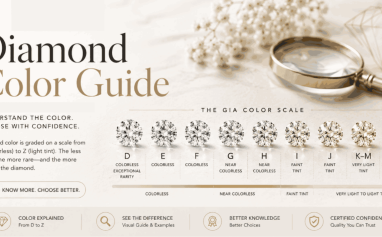
What Diamond Color Actually Measures Diamond color is one of the 4Cs, and it is the one buyers most often misunderstand. For white diamonds, the... Continue reading
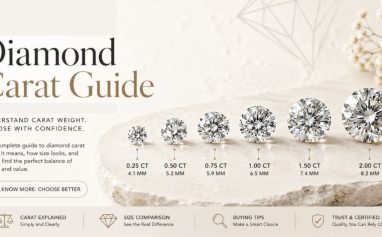
Walk into any jewelry store, and there is one word that gets asked about before anything else. Not cut. Not clarity. Carat.It makes sense. Carat... Continue reading
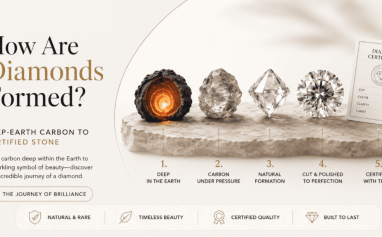
Every natural diamond you have ever seen began as carbon buried between 150 and 700 kilometres beneath your feet, crushed under pressures that would flatten... Continue reading