No products in the cart.

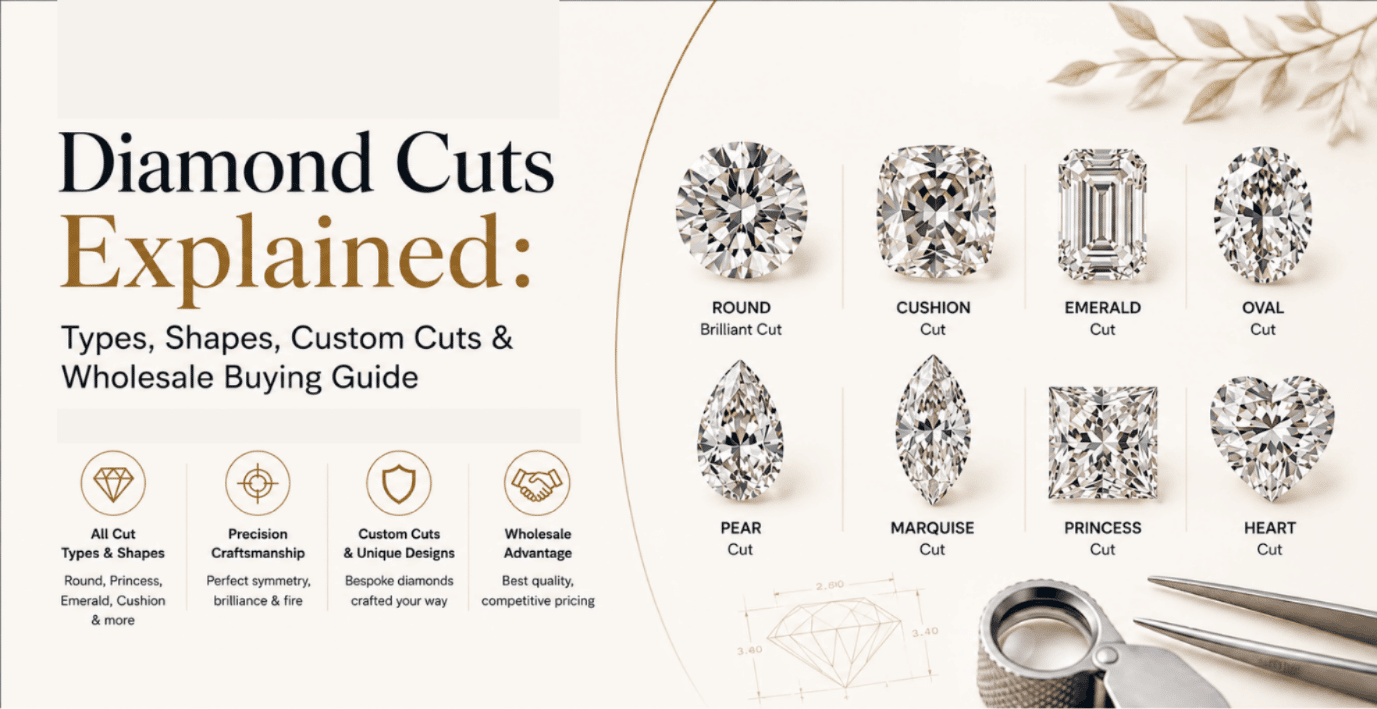
Diamond Cuts Explained: Types, Shapes, Custom Cuts & Wholesale Buying Guide
When people talk about diamonds, they often focus on carat, color, and clarity. But the way a diamond is cut can have an equally important impact on its appearance, proportions, brilliance, and overall character.
A diamond cut is more than simply making a stone look attractive. For jewelry designers, manufacturers, wholesalers, and buyers searching for something outside traditional shapes, the cut can become the defining feature of a finished piece.
From classic brilliant cuts to fancy cut diamonds, unusual geometric forms, matched pairs, and fully custom cut diamonds, there are many possibilities available today.
This guide explains the different types of diamond cuts, how custom diamond cutting works, popular fancy shapes, and what jewelry professionals should consider when sourcing specialty diamonds.
What Is a Diamond Cut?
Diamond cut refers to how a rough diamond is shaped and polished into a finished stone, including its proportions, symmetry, facets, and overall design.
Cutting determines how the diamond interacts with light. The arrangement and precision of the facets can influence brightness, contrast, scintillation, and the visual character of the stone.
While round brilliant diamonds are widely recognized, modern diamond cutting extends far beyond the traditional round shape.
For jewelry designers and professional buyers, diamond cut shapes can include everything from geometric silhouettes to elongated designs and unusual custom forms.
What Are the Different Types of Diamond Cuts?
There is no single list that covers every possible diamond cut. Diamond cutters and manufacturers can work with a wide range of shapes and facet arrangements.
Some commonly requested categories include:
- Round brilliant
- Oval
- Cushion
- Emerald
- Asscher
- Pear
- Marquise
- Radiant
- Princess
- Heart
- Kite
- Shield
- Hexagon
- Lozenge
- Trapezoid
- Half moon
- Tapered
- Cadillac
- Pentagon
- Ashoka
- Portrait
- Other custom and asymmetrical designs
The right shape depends on the intended jewelry design, the rough material available, desired proportions, and the buyer’s specifications.
Fancy Cut Diamonds vs Fancy Shape Diamonds
The terms fancy cut diamonds and fancy shape diamonds are sometimes used interchangeably, but they can refer to slightly different concepts depending on the context.
A fancy shape generally describes a diamond outline that is not round, such as an oval, pear, marquise, shield, kite, or hexagon.
A fancy cut can also refer more broadly to a specialized cutting style or design that differs from conventional round brilliant cutting.
For jewelry professionals, the important consideration is not simply the terminology. It is whether the finished stone provides the shape, proportions, faceting, and visual appearance required for the design.
Why Are Unusual Diamond Shapes Becoming More Popular?
Traditional diamond shapes continue to be important, but designers increasingly look for stones that help their jewelry stand apart.
Unusual diamond shapes can create a distinctive look without requiring an elaborate setting. A geometric stone can become the visual centerpiece of a ring, pendant, pair of earrings, or custom jewelry collection.
Some popular examples include:
Kite Cut Diamonds
A kite cut diamond has a distinctive angular silhouette that works particularly well in contemporary and geometric jewelry.
Shield Cut Diamonds
Shield-shaped diamonds can provide strong architectural lines and are often used as center stones or complementary stones in custom layouts.
Hexagon Cut Diamonds
The six-sided outline of a hexagon cut diamond gives jewelry a clean geometric appearance. Hexagonal stones can also be incorporated into modern cluster and symmetrical designs.
Lozenge Cut Diamonds
A lozenge shape creates a long, angular outline that can work especially well in directional or contemporary jewelry designs.
Trapezoid Diamonds
Trapezoid diamonds are commonly used as side stones, although their proportions can be customized depending on the setting and design requirements.
Half Moon Diamonds
A half moon diamond can be used alongside a center stone to create a balanced transition between the center and the setting.
Tapered Diamonds
Tapered shapes can help create movement and visual direction within a jewelry design.
Cadillac Cut Diamonds
The Cadillac shape is a distinctive geometric option that can be particularly effective in custom and statement jewelry.
Pentagon and Ashoka Cuts
Pentagonal and Ashoka-style designs demonstrate how specialized diamond cutting can create shapes that are very different from conventional commercial cuts.
Portrait Cut Diamonds
Portrait cuts are known for their distinctive flat, broad appearance and can create an entirely different visual effect from traditional brilliant-style diamonds.
Can a Diamond Be Cut Into a Custom Shape?
Yes. Depending on the rough diamond, its characteristics, dimensions, and the desired result, a diamond can sometimes be planned and cut into a custom shape.
However, custom diamond cutting is not simply a matter of drawing an outline and cutting the stone.
A professional diamond cutter must consider the rough material, inclusions, proportions, yield, symmetry and polishing requirements, and the intended jewelry application.
This is why custom diamond cuts require communication between the buyer, designer, manufacturer, and diamond cutter.
A jewelry designer may provide a CAD file, drawing, measurements, reference stone, or specific dimensional requirements. The cutting team can then evaluate whether the requested design can be produced from suitable rough material.
How Are Custom Diamonds Cut?
The process generally begins with understanding the desired finished stone.
1. Define the Requirements
The buyer may specify:
- Shape
- Length and width
- Depth
- Carat range
- Proportions
- Symmetry
- Faceting style
- Quantity
- Matching requirements
- Intended jewelry application
2. Source Suitable Rough
Not every rough diamond is suitable for every shape. The available material must be evaluated against the desired finished dimensions and characteristics.
3. Plan the Cut
The cutting plan is developed to balance the desired shape and appearance with the characteristics of the rough.
For unusual or geometric stones, careful planning is especially important because small differences in proportions can significantly change the finished appearance.
4. Cut and Polish
The stone is gradually shaped and polished according to the cutting plan.
5. Inspect the Finished Stone
The final diamond is examined for dimensions, symmetry, polish, appearance, and compliance with the requested specifications.
For commercial jewelry production, consistency is particularly important when multiple stones are required.
Where Can Jewelers Source Custom Cut Diamonds Wholesale?
Jewelry manufacturers and designers often need something more specific than a standard inventory search.
A professional supplier can help source stones according to requirements such as:
- Shape
- Size
- Carat
- Color
- Clarity
- Dimensions
- Quantity
- Matching
- Certification
- Budget
- Delivery requirements
For buyers looking for wholesale custom cut diamonds, the ability to communicate exact specifications can make the sourcing process considerably more efficient.
This is particularly useful for jewelry collections that require multiple stones with consistent proportions.
Matching Pair Diamonds for Jewelry Designers
One area where specialized sourcing becomes especially valuable is diamond matching pairs.
Finding two diamonds that are simply the same shape is not necessarily enough. For earrings, side-by-side designs, symmetrical rings, or custom layouts, buyers may need stones that closely match in:
- Shape
- Length-to-width ratio
- Dimensions
- Carat
- Color
- Clarity
- Faceting
- Overall appearance
For this reason, matched pair diamonds are an important category for jewelry designers and manufacturers.
A specialized supplier can help identify and source diamond matching pairs according to the requirements of a specific jewelry design.
Wholesale Fancy Cut Diamonds for Jewelry Manufacturing
For manufacturers, the sourcing process is different from buying a single diamond for a personal purchase.
A wholesale buyer may need several stones with precise specifications and consistent dimensions.
For example, a jewelry collection might require:
- 20 matching kite diamonds
- 50 calibrated trapezoid diamonds
- A pair of matching half moons
- Custom shield-shaped side stones
- A specific size range of hexagon diamonds
- Multiple stones cut to the same proportions
This is where custom diamond manufacturing and specialized sourcing can become valuable.
Instead of selecting whatever is currently available, buyers can communicate the requirements of the finished jewelry design and work toward a more precise solution.
Diamond Cutting Services for Custom Jewelry
Professional diamond cutting services can be useful when standard inventory does not meet the requirements of a particular design.
Depending on the supplier and project, services may include:
- Custom shape development
- Custom sizing
- Matching pairs
- Calibrated stones
- Fancy shape sourcing
- Special layouts
- Custom diamond manufacturing
- Rough-to-polished planning
- Memo services
The best approach depends on whether you need one unique stone, a matched pair, or a larger production quantity.
Choosing a Diamond Cutter or Diamond Cutting Company
When choosing a diamond cutter or diamond cutting company, price should not be the only consideration.
Jewelry professionals should also consider:
Experience With Specialty Shapes
Ask whether the supplier regularly works with the type of shape you need.
Manufacturing Capability
If you require multiple stones, make sure the supplier can maintain consistency across the order.
Communication
Custom work requires clear communication about dimensions, tolerances, proportions, and intended use.
Sourcing Capability
A good supplier should be able to help identify suitable material rather than simply offering whatever is already in stock.
Quality Control
Dimensions, symmetry, polish, and matching should be checked before the stones are delivered.
OM Jewels Inc – Custom and Wholesale Diamond Sourcing
OM Jewels Inc is a first-generation diamond import enterprise focused on serving jewelry professionals with specialized diamond sourcing and supply.
The company works with a broad range of diamond requirements, including fancy cut diamonds, unusual diamond shapes, matching pairs, salt & pepper diamonds, rustic diamonds, and custom-sourced stones.
For buyers who need something beyond standard round or conventional shapes, OM Jewels Inc can help with sourcing and customized diamond requirements based on the needs of the jewelry design.
The company’s focus is particularly relevant for professional buyers looking for:
- Custom cut diamonds
- Fancy shape diamonds
- Wholesale fancy cut diamonds
- Matching pair diamonds
- Unusual diamond shapes
- Specialty diamond cuts
- Custom diamond sourcing
- Calibrated diamonds
- Custom manufacturing requirements
- Memo services
Whether you are developing a single custom piece or sourcing stones for a jewelry collection, communicating the exact specifications of the project is the first step toward finding the right diamonds.
How to Order a Custom Cut Diamond
If you are a jewelry designer, manufacturer, retailer, or wholesale buyer, start with the specifications of your project.
Provide as much information as possible, including:
- Desired shape
- Approximate dimensions
- Carat range
- Color and clarity requirements
- Quantity
- Matching requirements
- Certification requirements
- Intended jewelry design
- Target budget
- Required delivery timeline
If you have a drawing, CAD design, reference image, or sample stone, sharing it can make the sourcing process easier.
For wholesale diamond buyers, you can also contact us about available inventory, custom sourcing, and diamond memo service options.
Frequently Asked Questions About Diamond Cuts
What are the different types of diamond cuts?
Diamond cuts include traditional shapes such as round, oval, cushion, emerald, pear, marquise, radiant, and princess, as well as specialty shapes such as kite, shield, hexagon, lozenge, trapezoid, half moon, Cadillac, pentagon, and other custom designs.
What is the best diamond cut for a unique engagement ring?
There is no single best cut for every engagement ring. The right choice depends on the design, setting, personal style, proportions, and desired appearance. Fancy and unusual shapes can be excellent choices for buyers who want a distinctive design.
Where can I buy custom cut diamonds wholesale?
Jewelry manufacturers and designers can work with specialized diamond suppliers that offer custom sourcing and manufacturing. When requesting wholesale custom cut diamonds, provide exact shape, size, quantity, and quality requirements.
Who specializes in unusual diamond shapes?
Specialized diamond manufacturers, cutters, and wholesalers may offer unusual and custom diamond shapes. Buyers should look for suppliers with experience in specialty cuts, matching, calibrated stones, and custom manufacturing.
What diamond cuts are available besides round and princess?
There are many alternatives, including oval, pear, marquise, cushion, emerald, radiant, asscher, heart, kite, shield, hexagon, lozenge, trapezoid, half moon, tapered, Cadillac, pentagon, Ashoka, portrait, and custom shapes.
Can a diamond be cut into a custom shape?
In many cases, yes, depending on the rough diamond and the requested design. The feasibility depends on the rough’s characteristics, desired dimensions, yield, proportions, and cutting requirements.
Where can I source matching diamond pairs?
Matching pairs can be sourced through specialized diamond suppliers and manufacturers. When ordering a pair, specify the desired dimensions, shape, carat, color, clarity, and acceptable matching tolerances.
What is the difference between fancy cut and fancy shape diamonds?
Fancy shape generally refers to the outline or silhouette of a diamond that differs from a round shape. Fancy cut can be used more broadly to describe specialized diamond cutting. In the trade, the terminology can vary depending on the context.
How do jewelers source rare diamond shapes?
Jewelers can source rare shapes through specialized wholesalers, diamond manufacturers, custom cutters, and sourcing companies. Providing exact dimensions and design requirements can help the supplier identify suitable stones.
Explore More Diamond Expertise
If you are researching specialty diamonds, custom cuts, sourcing, and wholesale buying, explore more guides and industry insights from OM Jewels Inc. on the OM Jewels blog.
Our team can also assist jewelry professionals looking for custom diamond sourcing, fancy shapes, matching pairs, and specialty diamond requirements.
Looking for a Custom Diamond Cut?
Have a specific shape, size, matching pair, or custom diamond requirement?
Contact OM Jewels Inc to discuss your requirements and sourcing options.
Whether you need a single unusual diamond or a larger wholesale requirement, providing your specifications allows our team to understand your project and identify the right sourcing solution.
OM Jewels Inc
Website: omjewelsinc.com
Blog: omjewelsinc.com/blog
For wholesale inquiries, custom diamond sourcing, matching pairs, and specialty diamond requirements, contact the OM Jewels team through the company website, mail, and contact.
Related posts
Why Fancy Shape Diamonds Are the Growth Story of 2026 For most of the last century, the round brilliant was the default. It still holds... Continue reading
What Diamond Color Actually Measures Diamond color is one of the 4Cs, and it is the one buyers most often misunderstand. For white diamonds, the... Continue reading
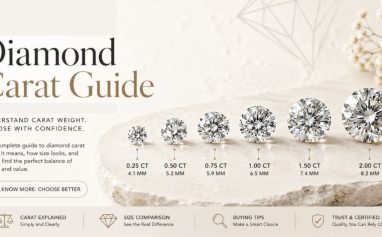
Walk into any jewelry store, and there is one word that gets asked about before anything else. Not cut. Not clarity. Carat.It makes sense. Carat... Continue reading
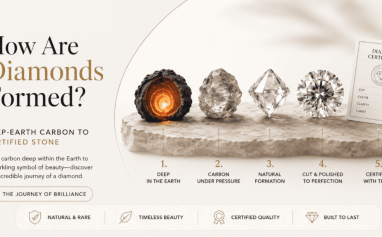
Every natural diamond you have ever seen began as carbon buried between 150 and 700 kilometres beneath your feet, crushed under pressures that would flatten... Continue reading
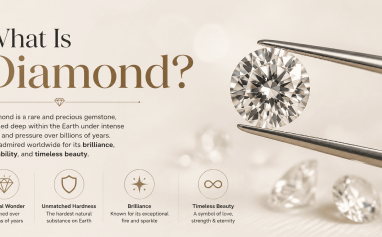
What Is a Diamond? A diamond is a mineral made of a single element – carbon – in which every carbon atom is covalently bonded... Continue reading