No products in the cart.

Shopping cart (0)
Subtotal: $0.00
🎁 Spend $1,000.00 more to unlock
welcome$150
Enjoy $150 OFF on Minimum Purchases of $1,000

Pairs Inventory
Filters
Categories
Shapes














Carat
Color
Fancy Color
Clarity
Cut
Length
Width
Filter by price
Height
Showing 1–24 of 502 results
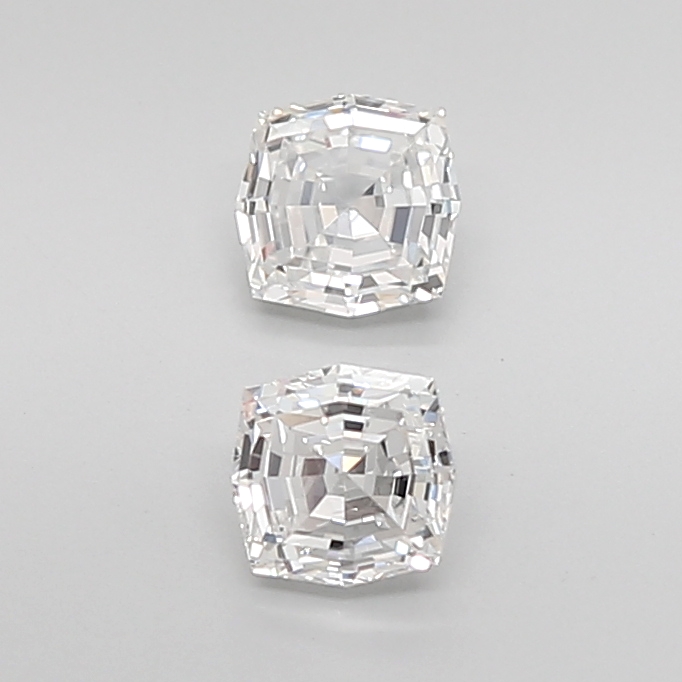
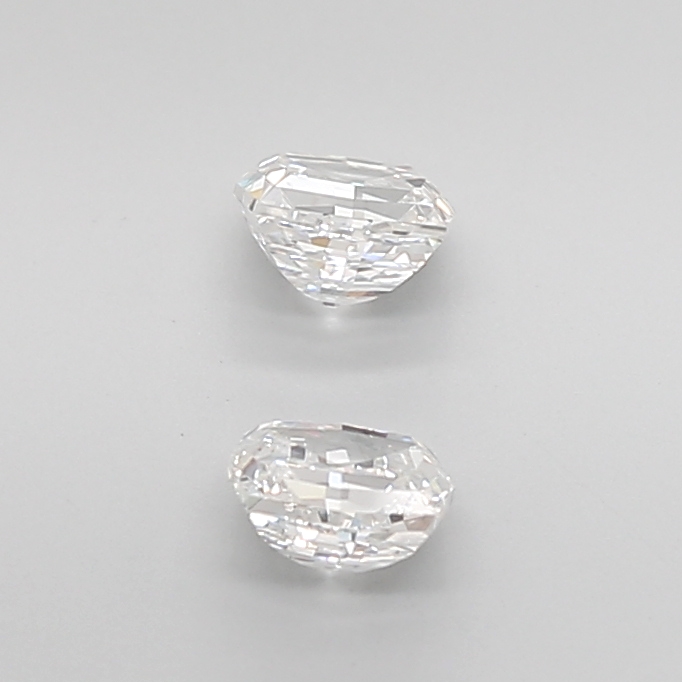
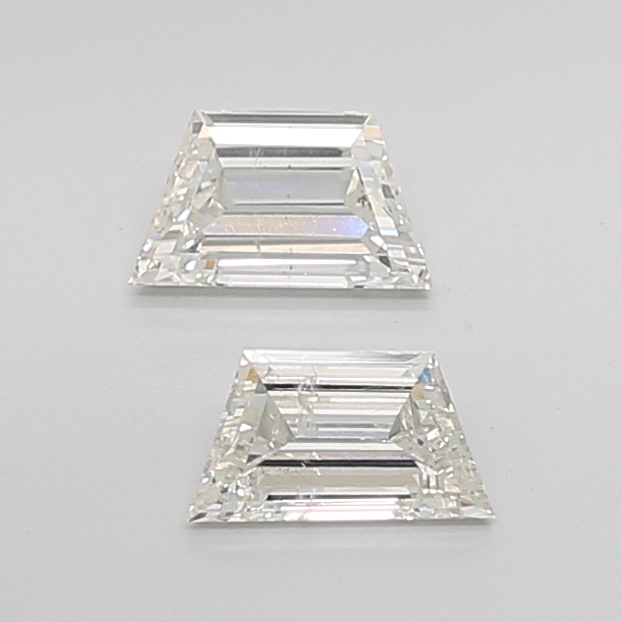
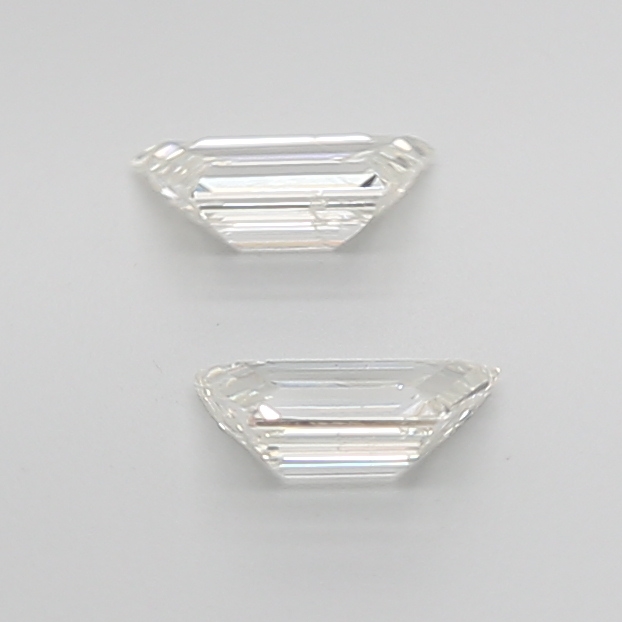


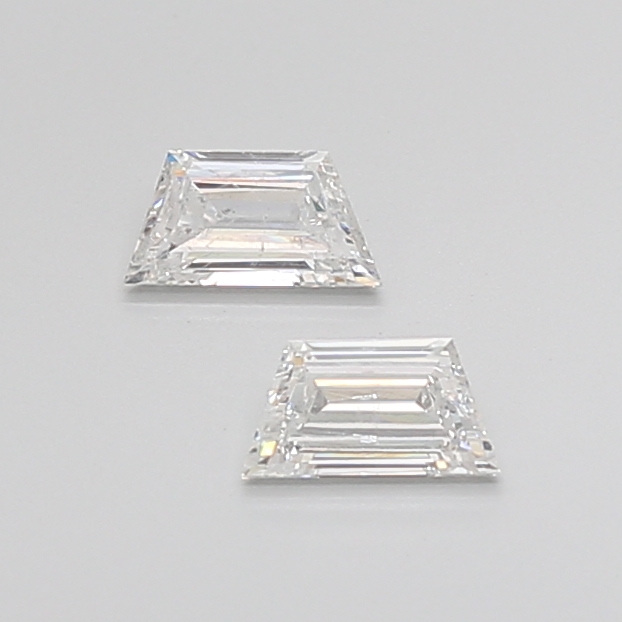
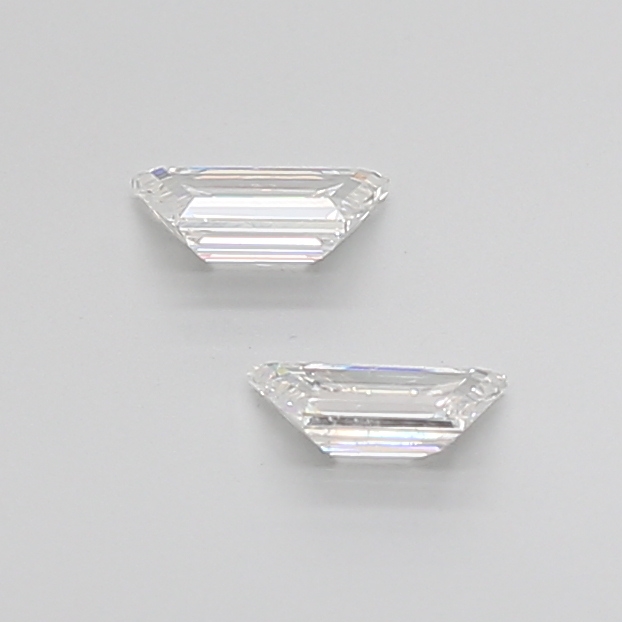
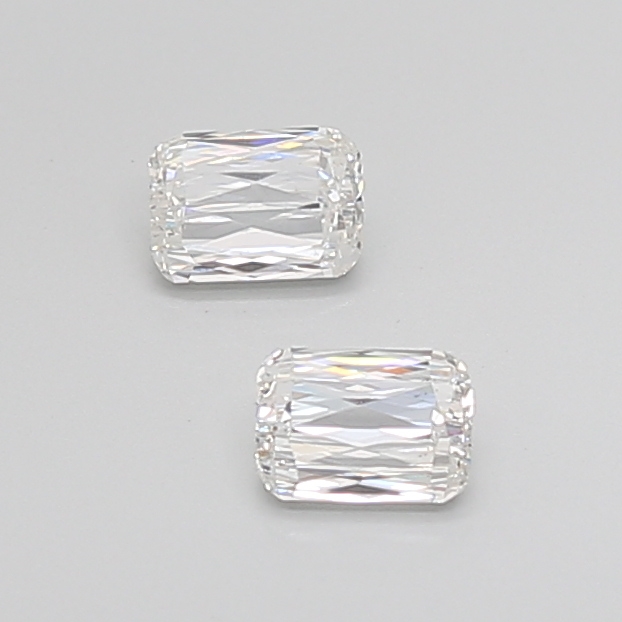
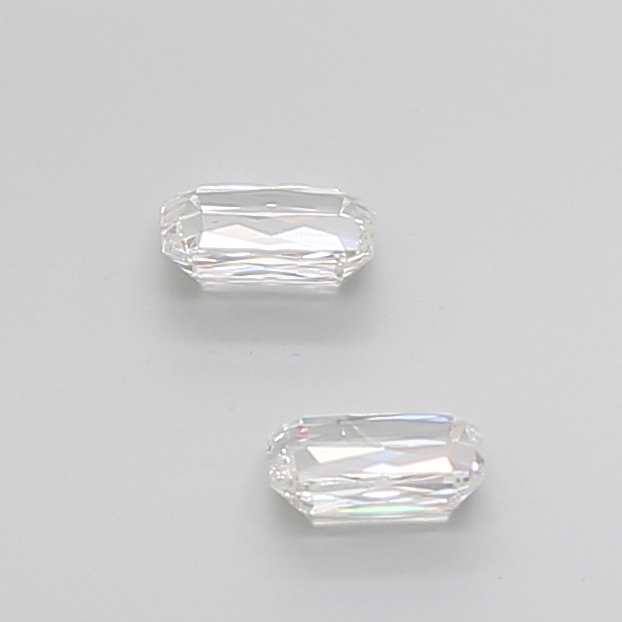
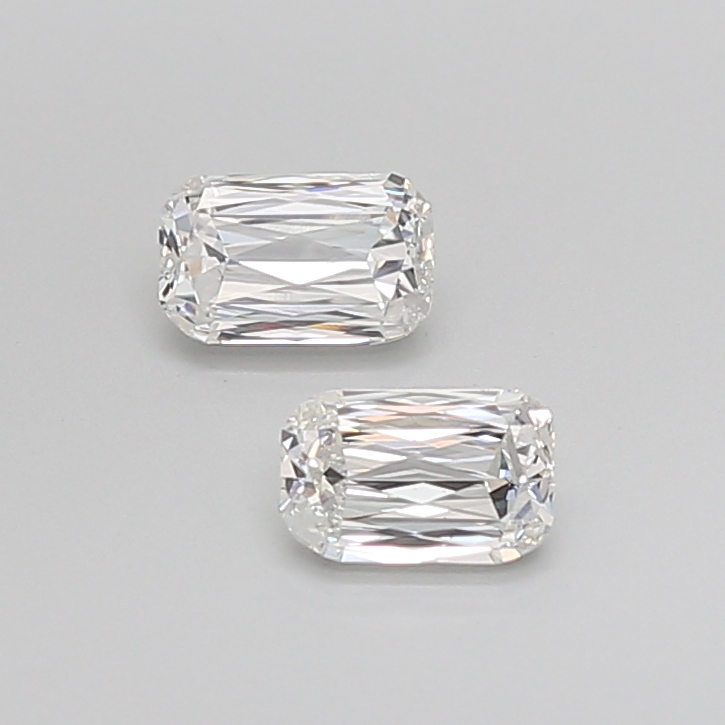
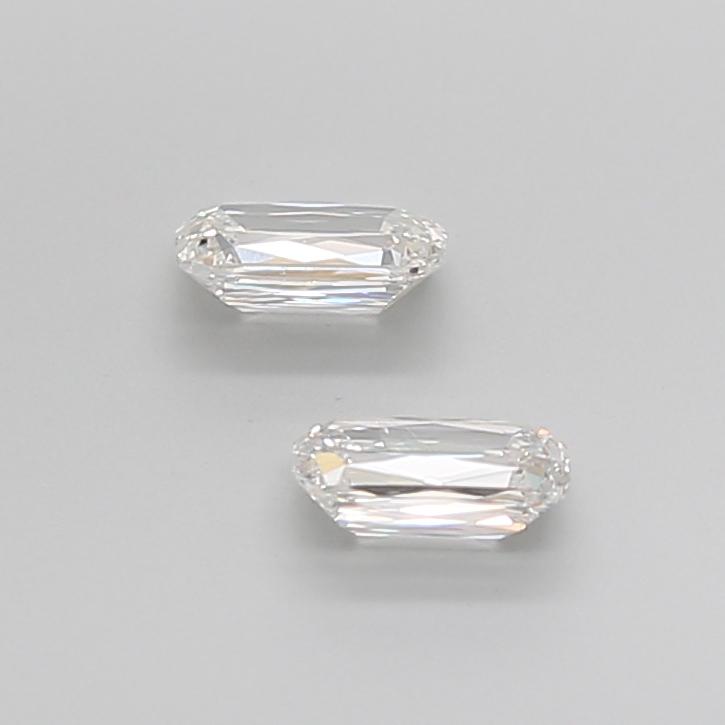
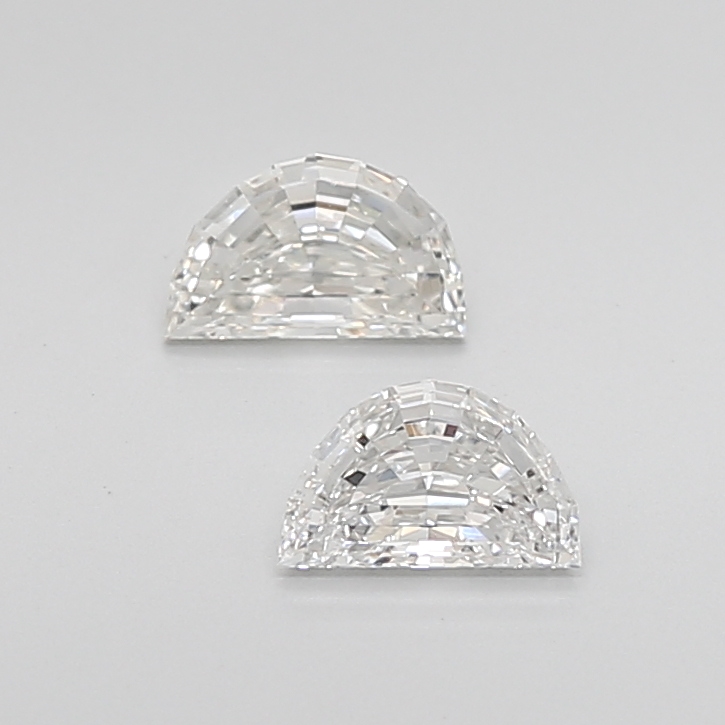
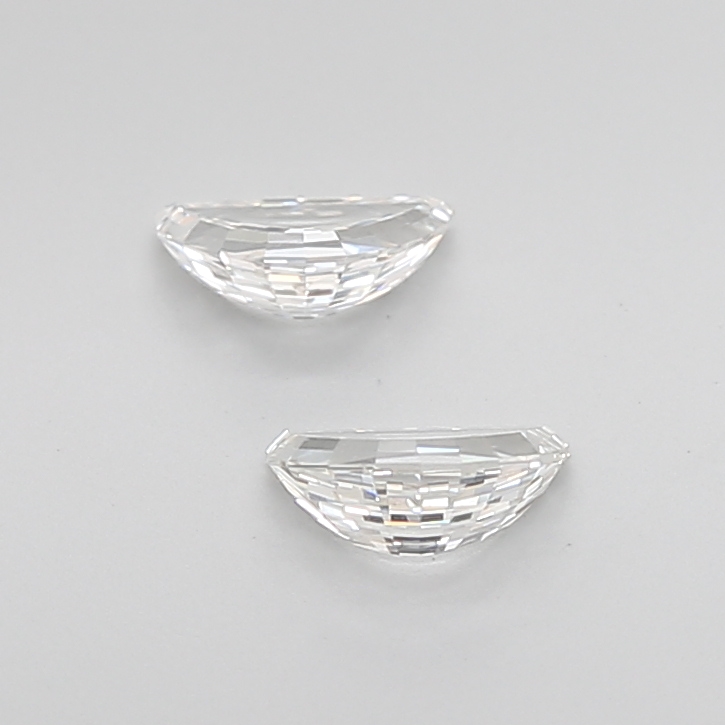
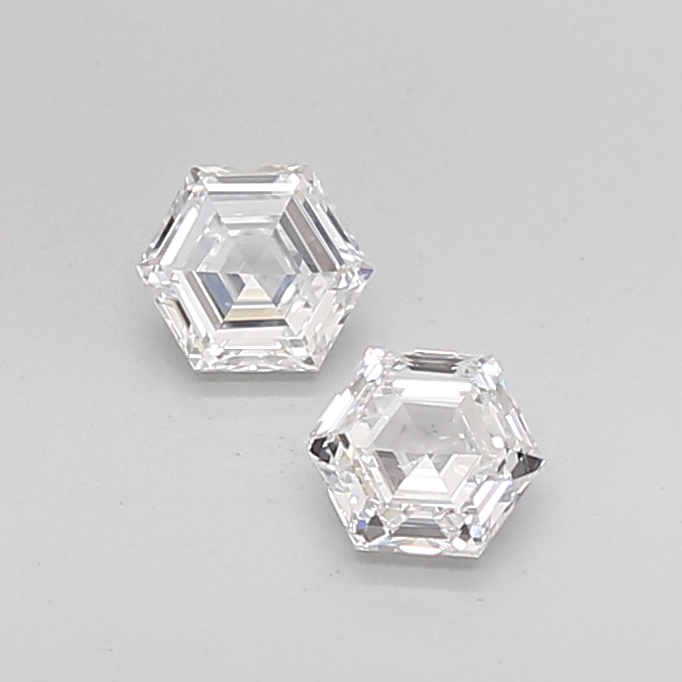
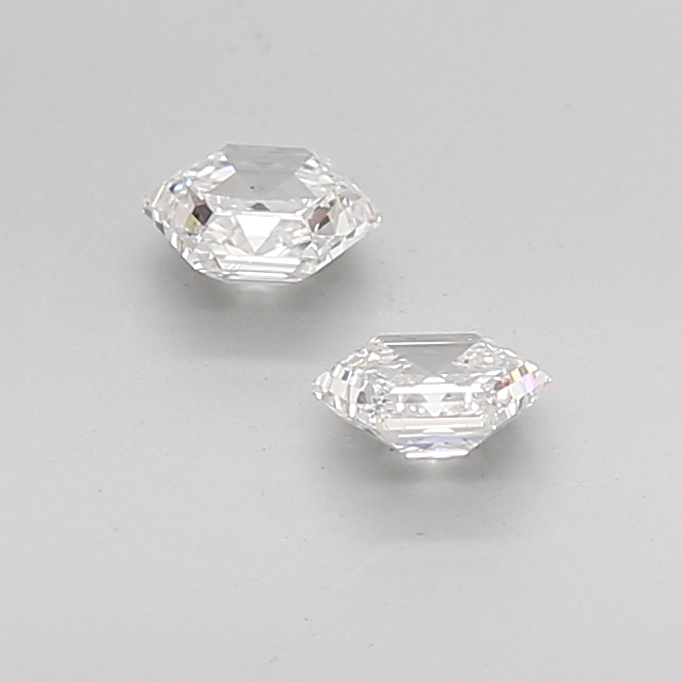
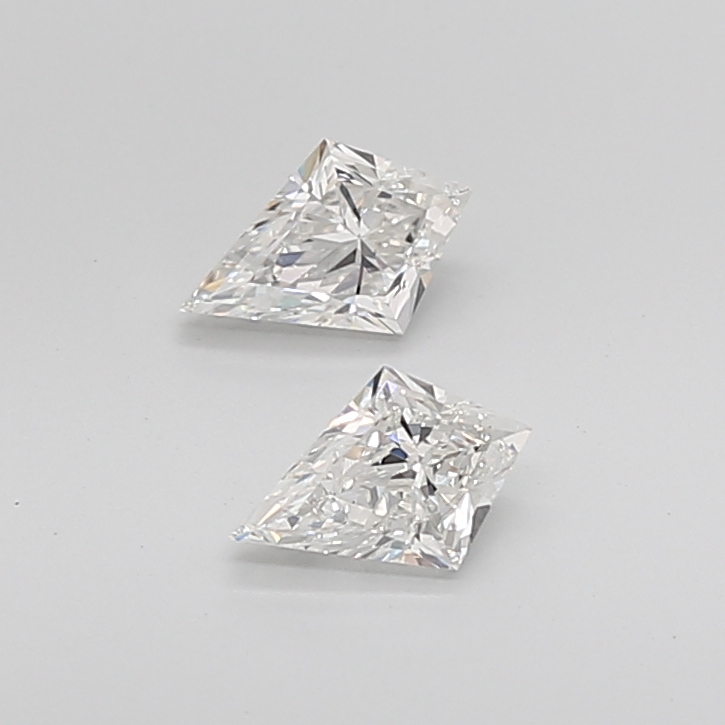
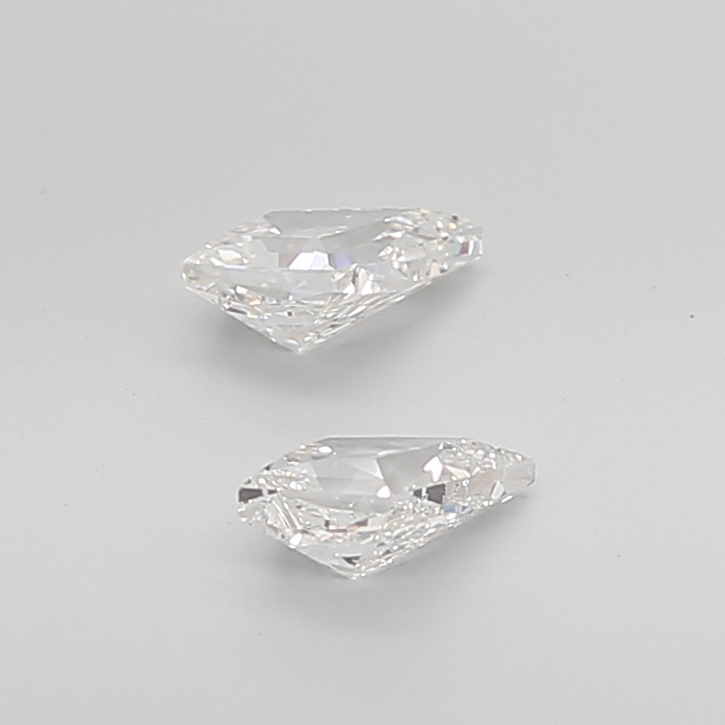
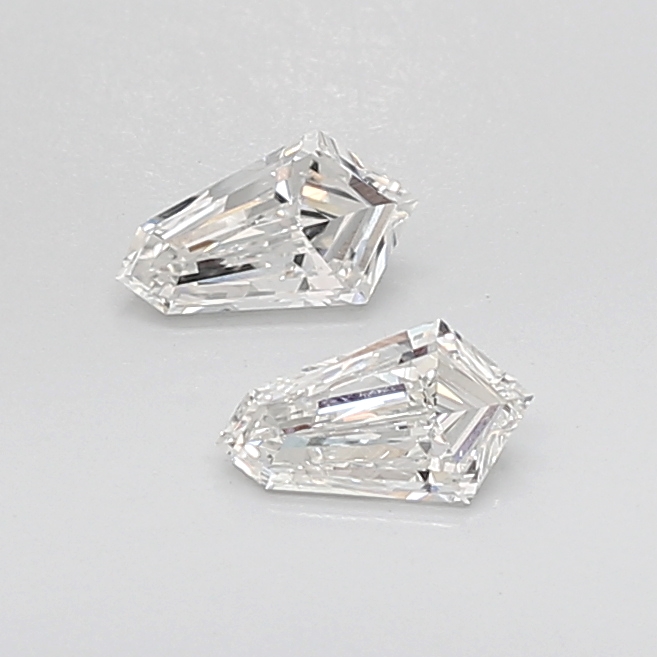
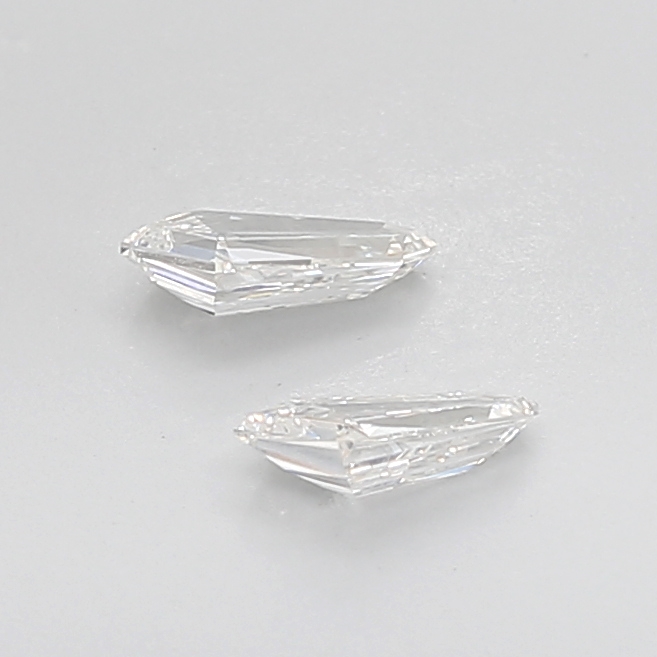
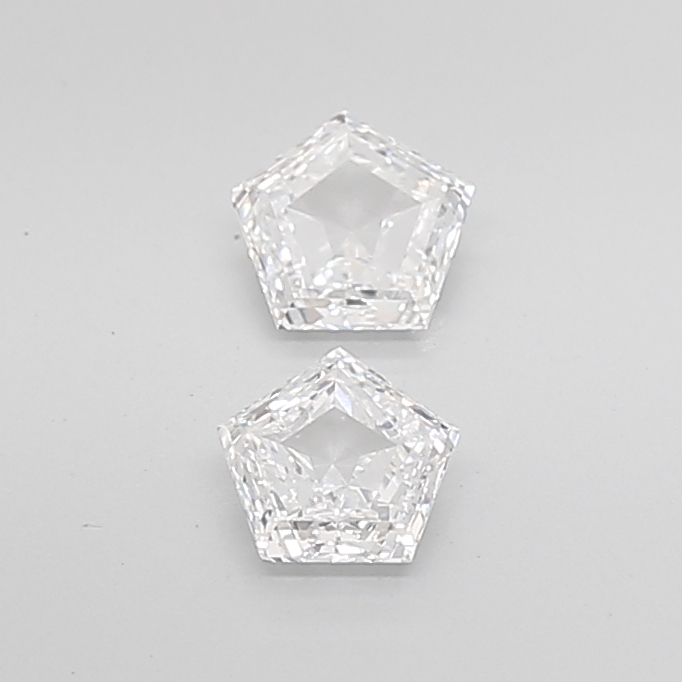
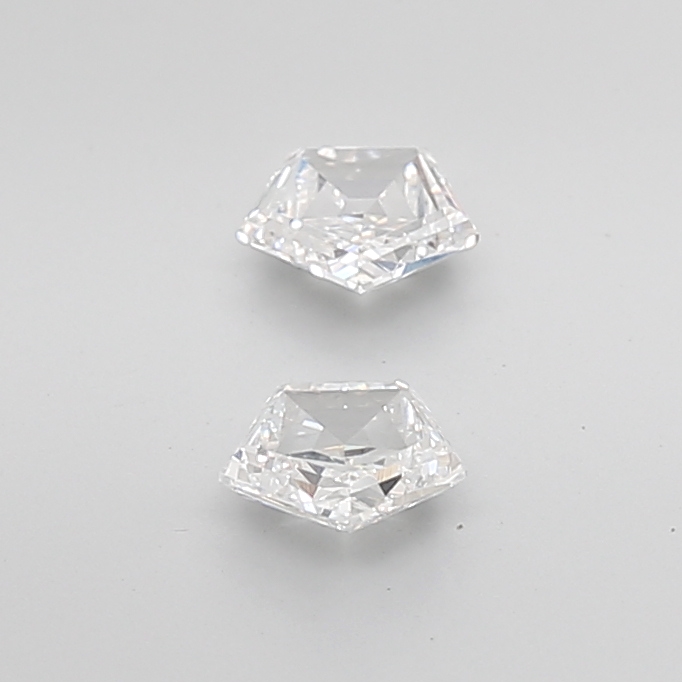
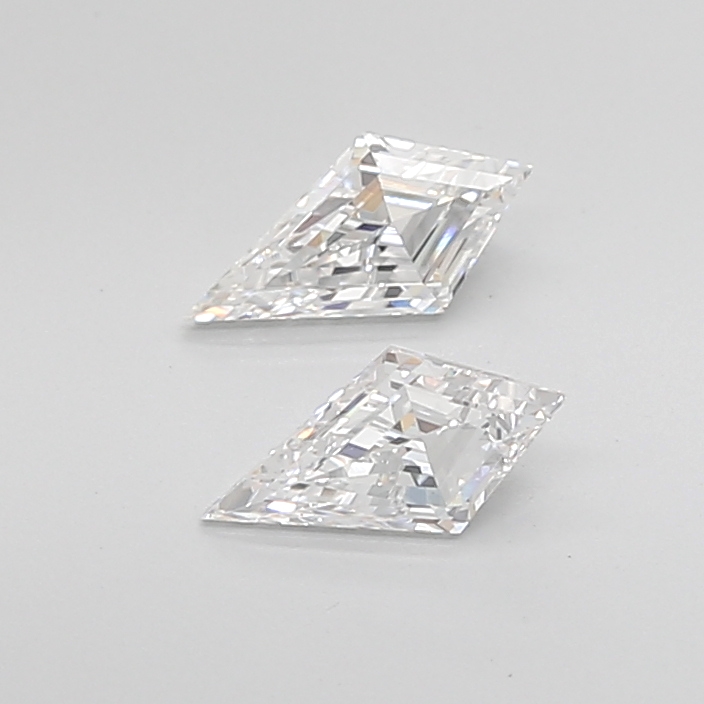
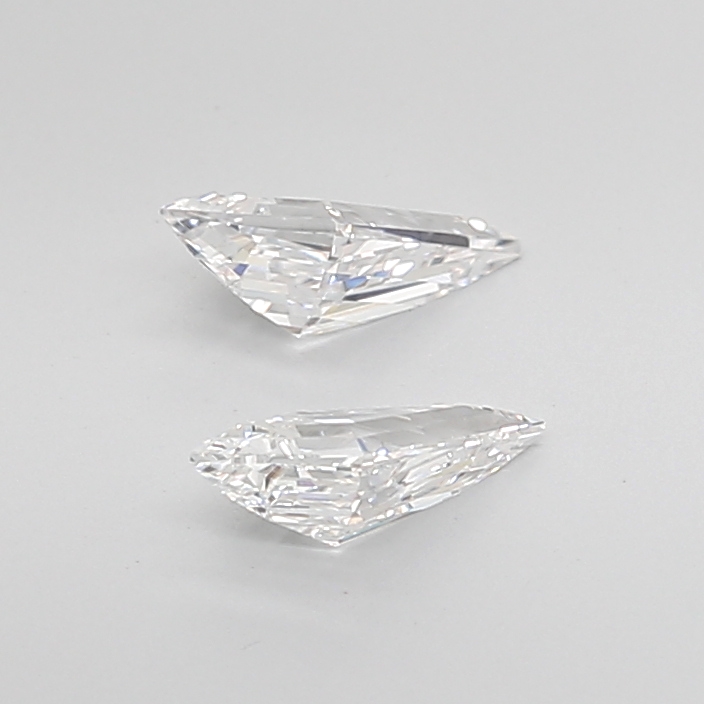
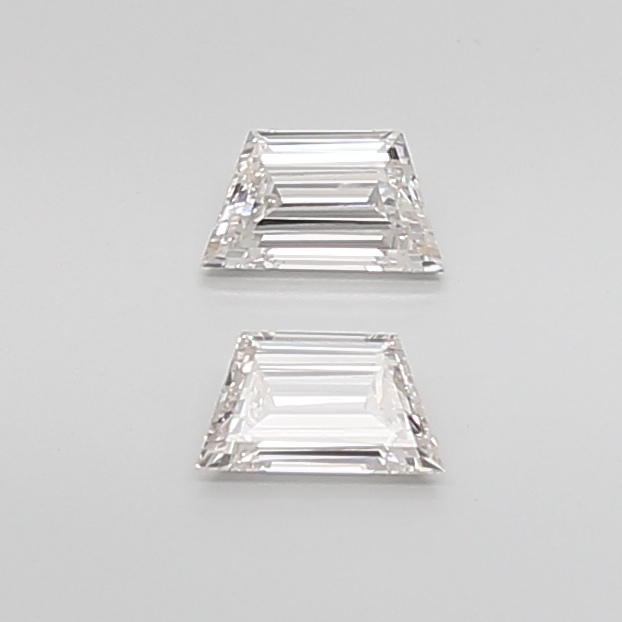
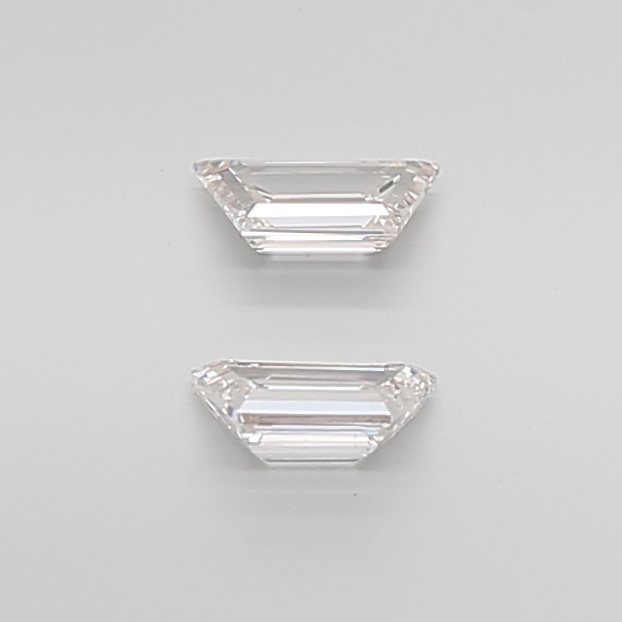
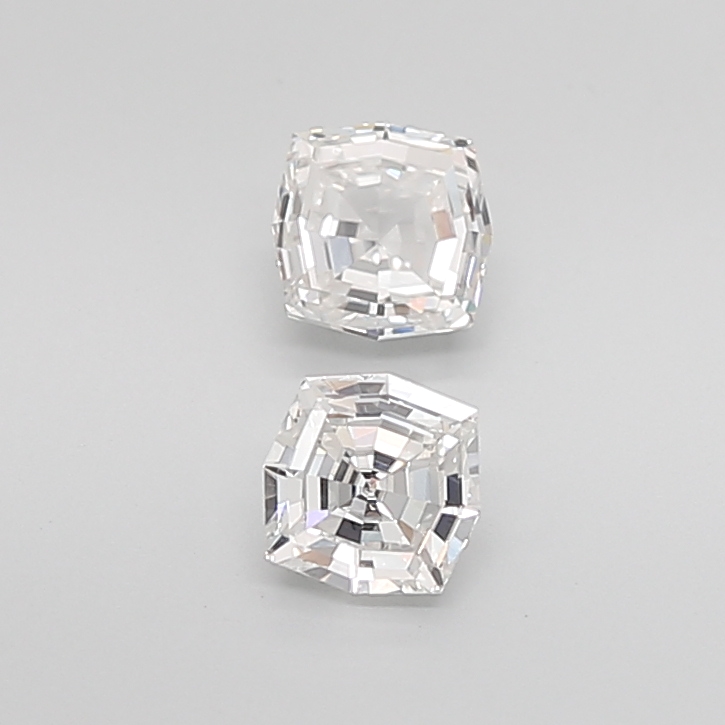
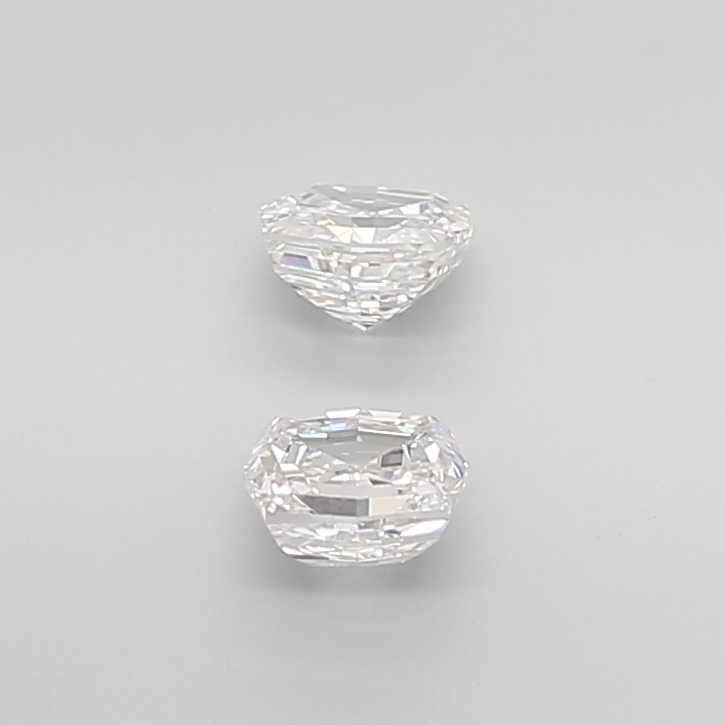
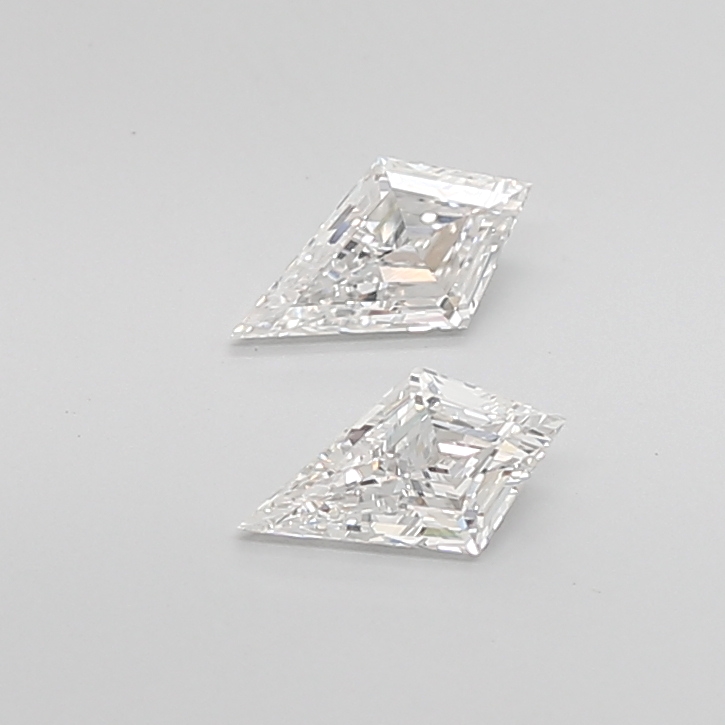
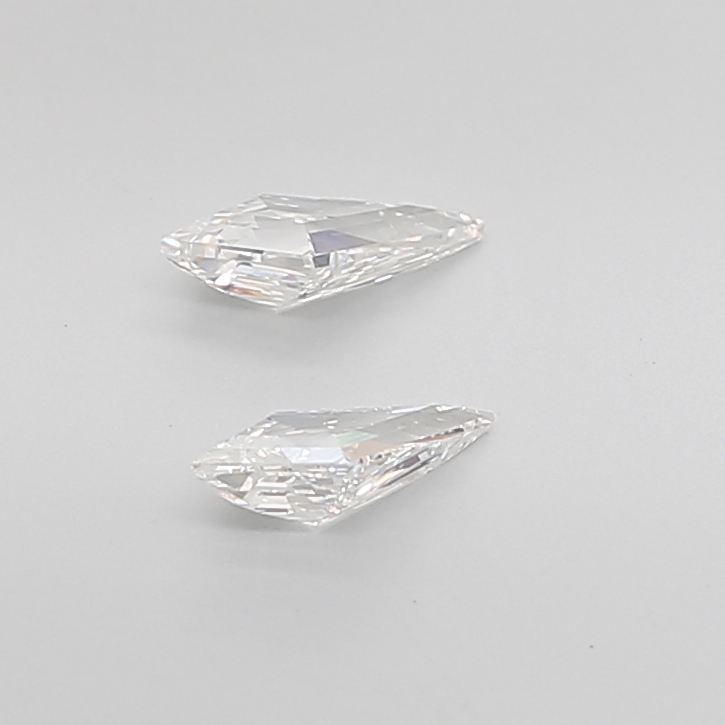
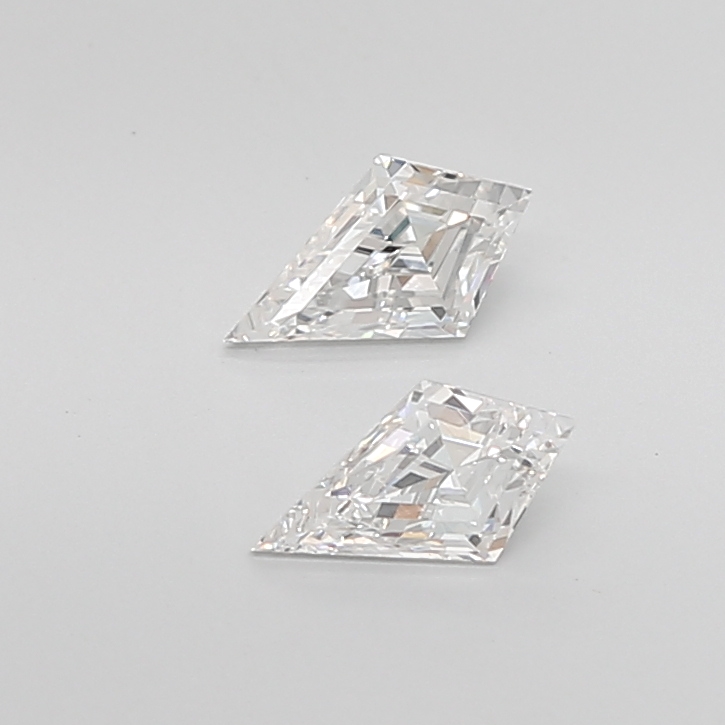
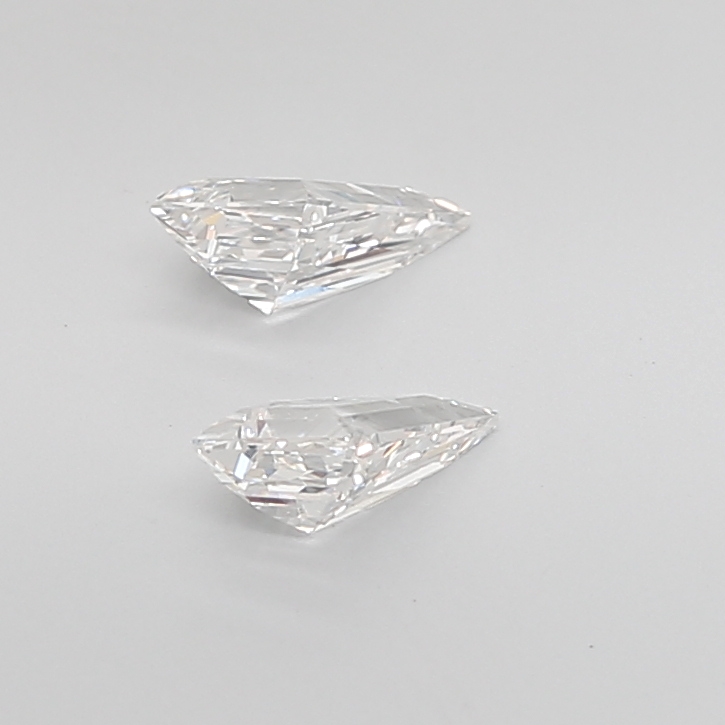
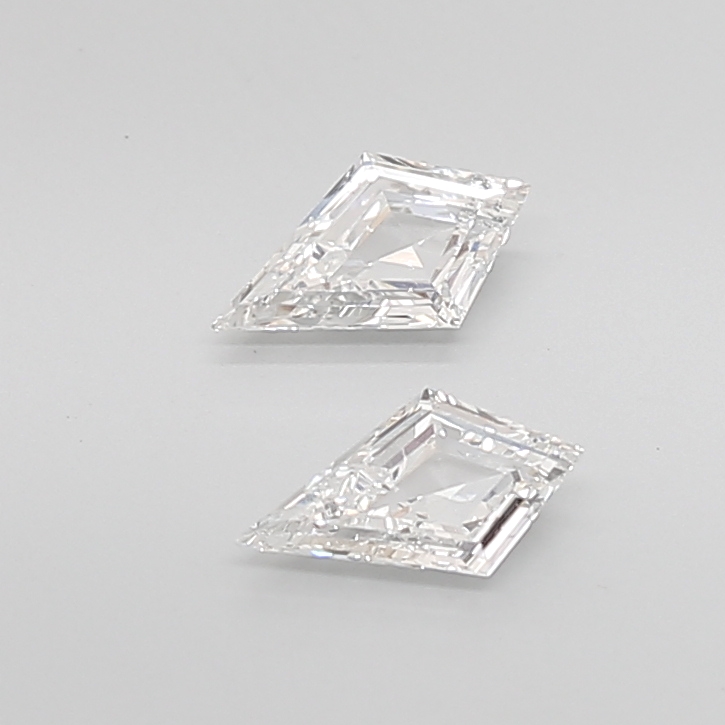
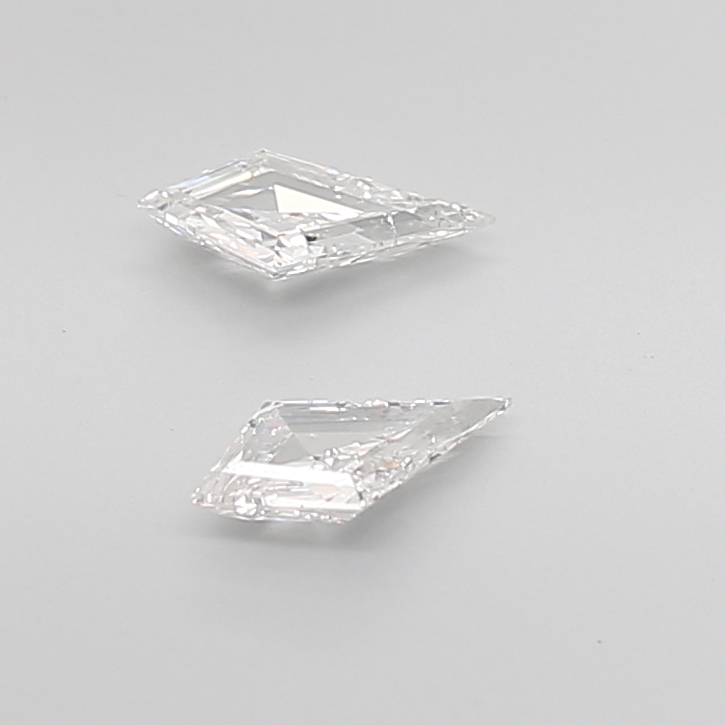
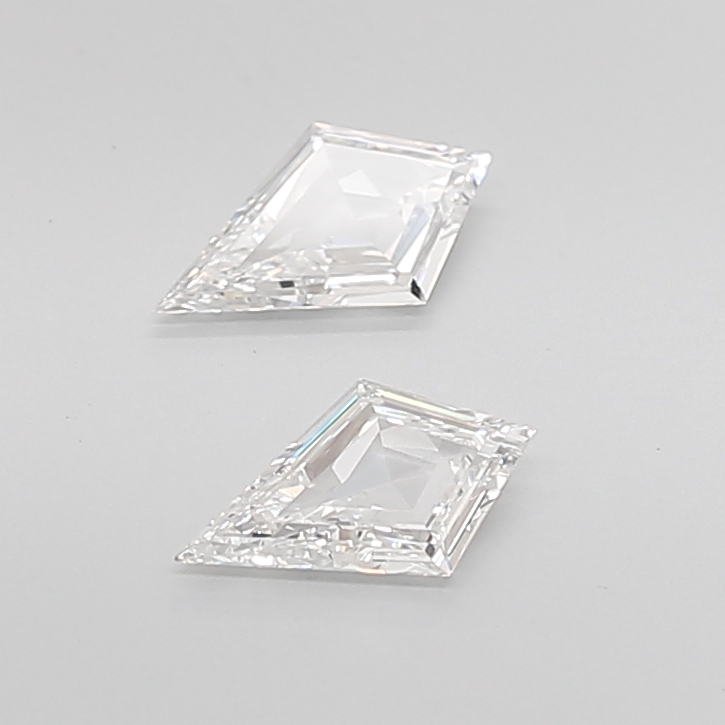
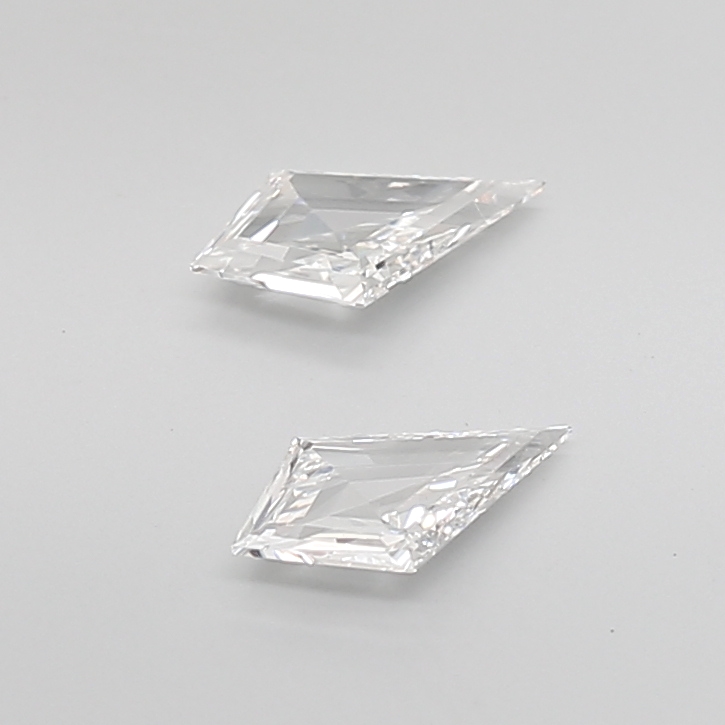
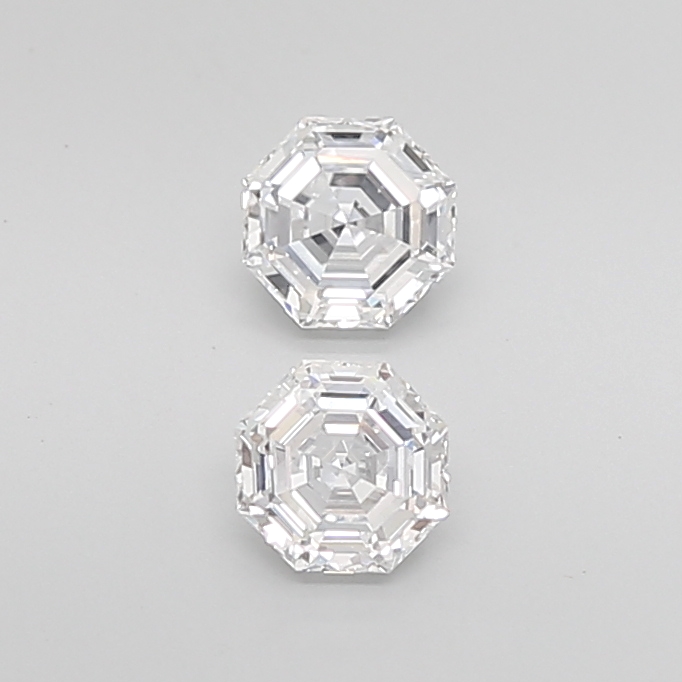
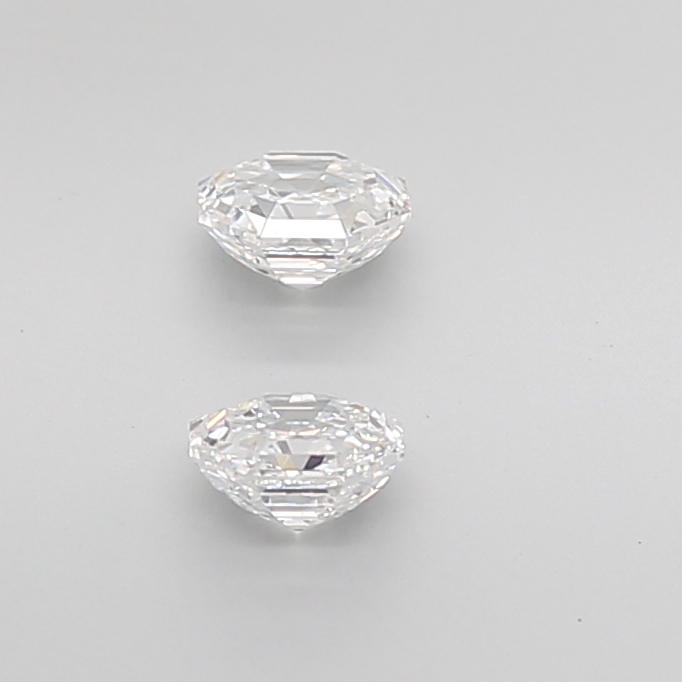
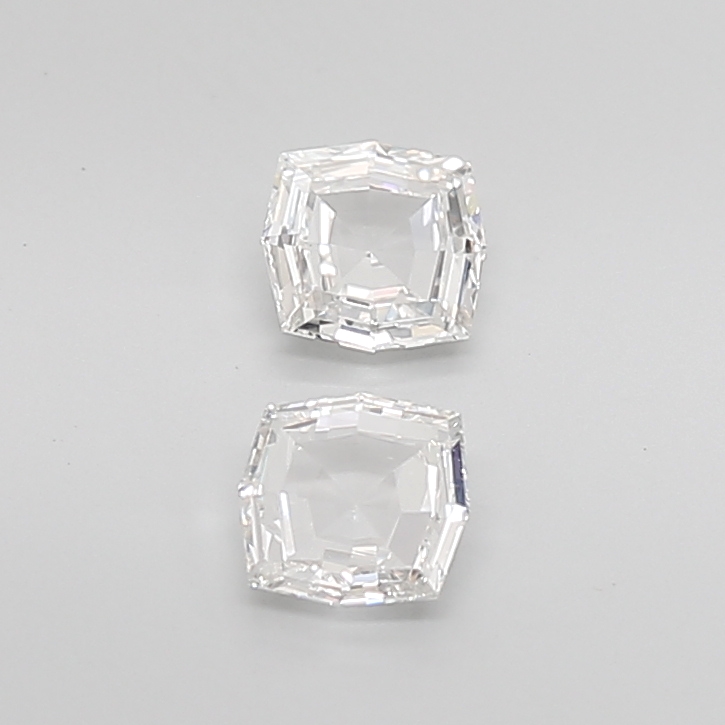
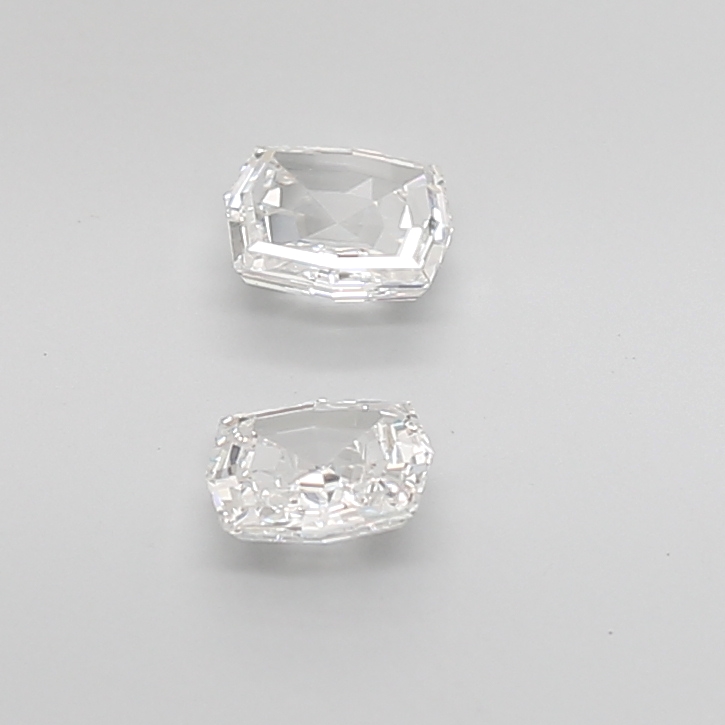
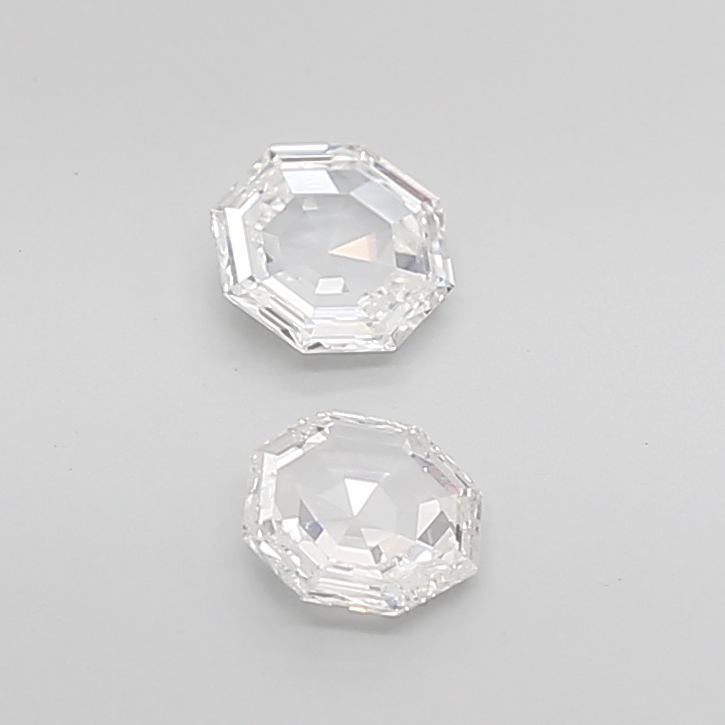
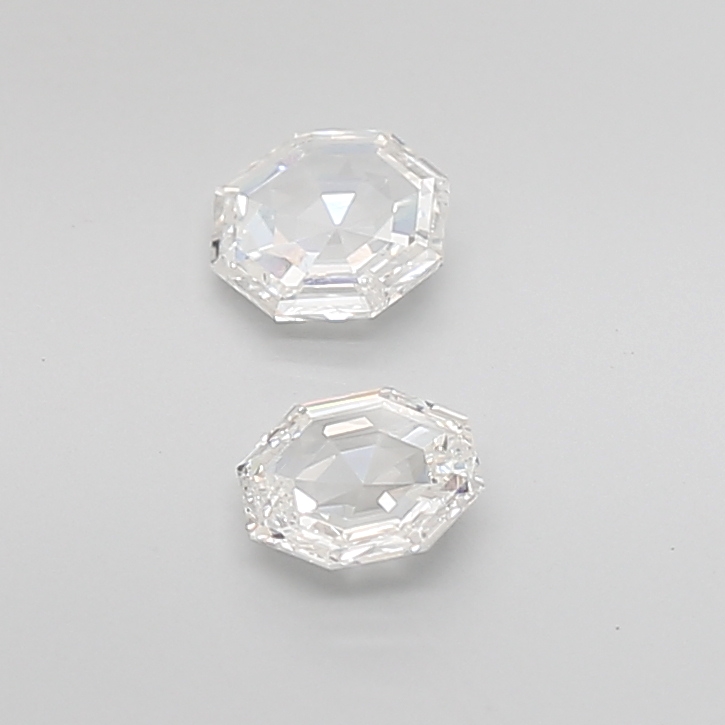
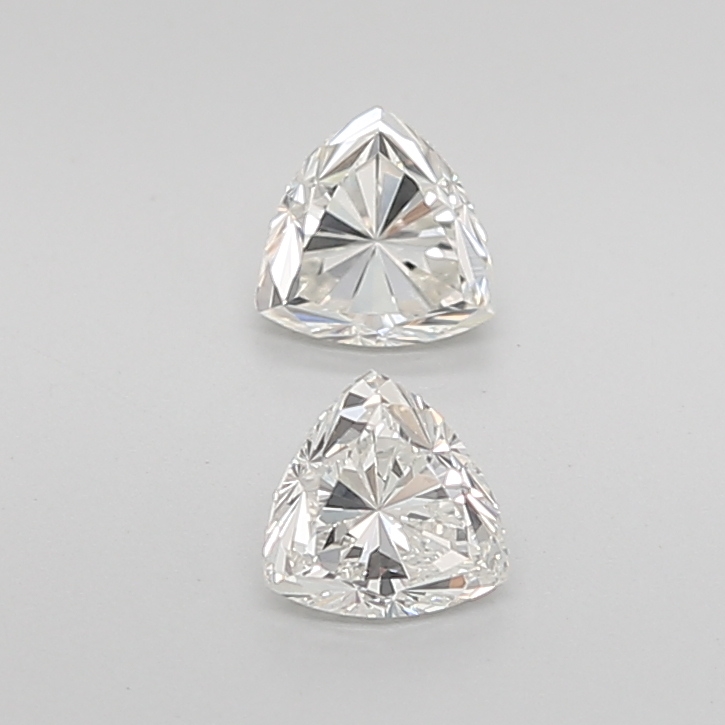
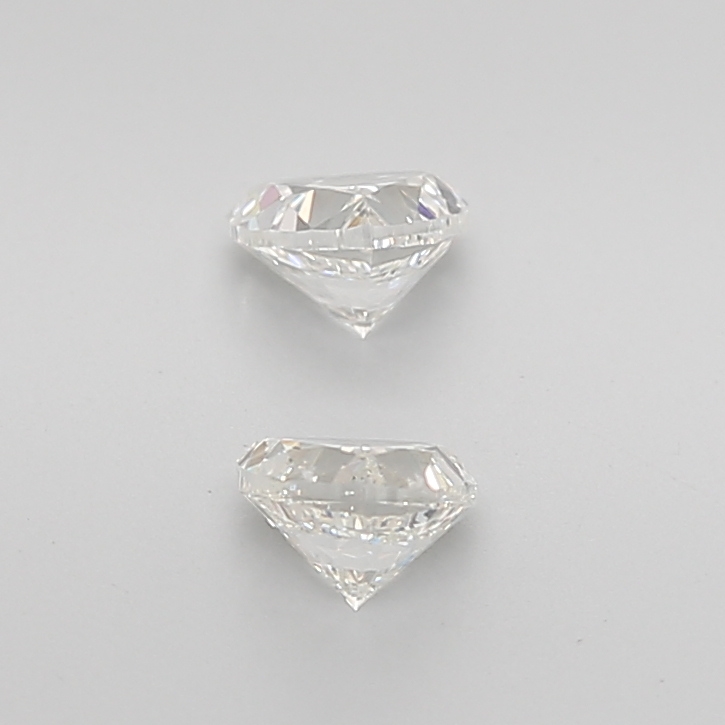
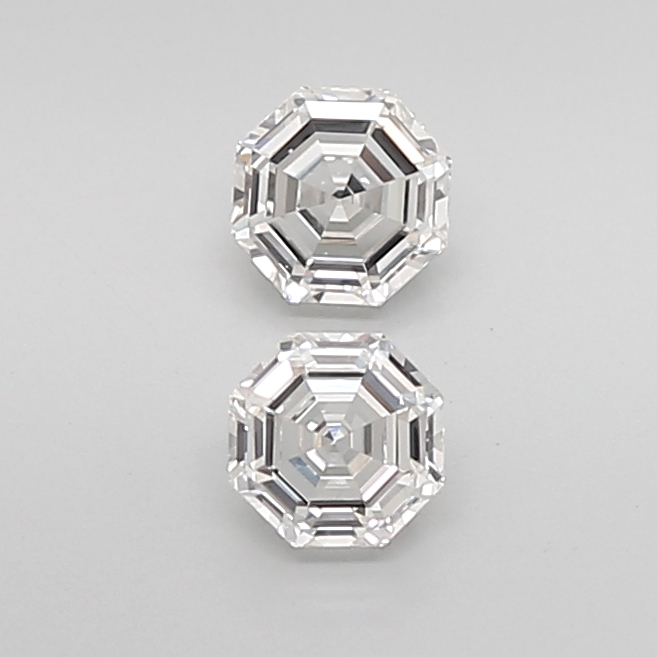
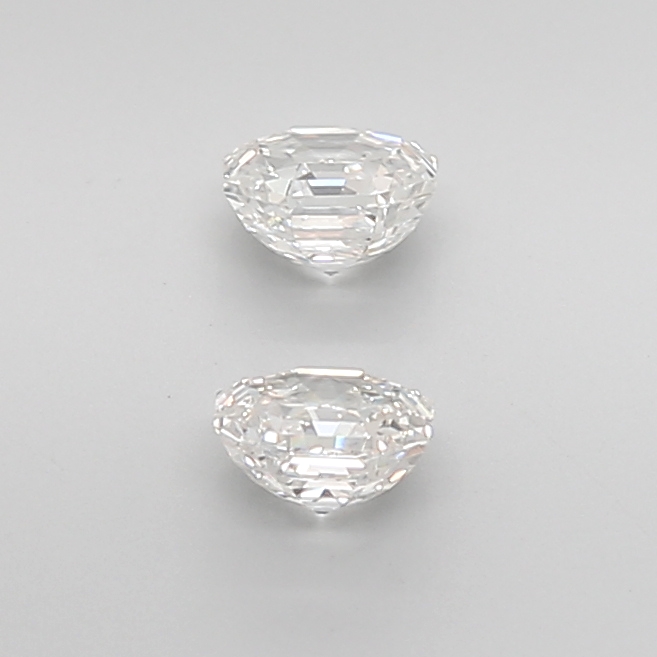
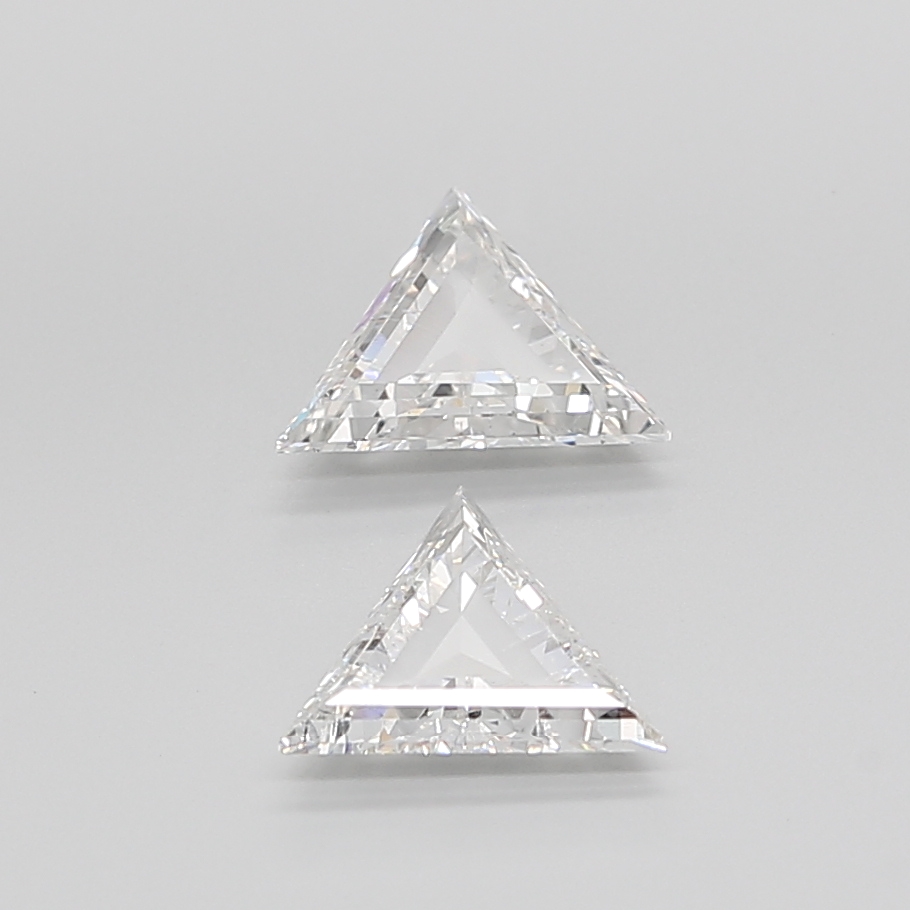

Natural Diamond Pairs – Certified, Matched to a Published Tolerance
Every supplier of natural diamond pairs claims their goods are perfectly matched. Very few will tell you the tolerance they hold. We publish ours as a specification, stone by stone, so you can verify a match before the parcel ships rather than after your client has both stones under a shop light.
Our loose natural diamond pairs run from 0.20 CT to 1.00 CT (we’re able to create custom sizes) per stone across round brilliant and fancy shapes, every stone mined, traceable, and independently graded. Whether you need certified natural diamond pairs for a single commission or wholesale natural diamond pairs for a production run, the same matching standard applies.
What is a Matched Diamond Pair?
A matched diamond pair is two separately cut stones selected to read as one to the eye. This is not the same as buying two loose diamonds with similar reports. Two stones can share identical grading specifications and still look mismatched once set, because three of the parameters that matter most – millimetre spread, fluorescence behaviour and bow-tie severity – are either buried in the report or absent from it entirely.
Matching diamond pairs is a selection discipline, not a grading outcome. That distinction is the whole basis of this category.
Our matching standard for certified natural diamond pairs
very pair ships with a written match sheet stating measured variance on each line above. Ask any other supplier to state their tolerance in these terms – if the answer is an adjective rather than a number, you are buying on trust alone.
Four things that break a pair, and only two appear on the certificate
Millimetre spread beats carat weight. Two round brilliant diamond pairs can weigh identically and differ by 0.3 mm in diameter, because weight hides in the pavilion. The deeper stone looks smaller face-up. Buyers who shop diamond pairs by carat total weight alone inherit this mismatch routinely. We match on spread first, weight second.
Fluorescence mismatch is invisible on paper. A non-fluorescent stone paired with a medium blue stone of the same colour grade will diverge in daylight and dramatically under UV. Both certificates look correct. The earrings do not. Non-fluorescent diamond pairs are our default for this reason, and mixed fluorescence is never shipped as matched.
Fancy shapes need mirror orientation. Kite shape diamond pairs and marquise diamond pairs are directional. A properly assembled pair is oriented as a mirror image so the points sit consistently once set. Two pears matched only on the 4Cs will fight each other in the mounting.
Bow-tie severity is graded by nobody. In oval diamond pairs, pear and marquise goods, the dark bow-tie across the centre varies stone to stone and appears on no report from any laboratory. We assess it visually on both stones and reject pairs where severity differs. This is the single most common reason a certified pair disappoints on arrival.
GIA certified diamond pairs – what ships with every order
Every pair is supplied with independent reports for both stones. We stock GIA certified diamond pairs, with HRD available to order. Report numbers are laser-inscribed on the girdle and verifiable on the laboratory’s own database before payment.
We do not stock lab-grown goods in this category and never mix origins within a pair.
Natural diamond pairs for earrings, side stones and layouts
Diamond stud earring pairs. Studs are viewed at conversational distance, where an eye-clean SI clarity diamond pair is indistinguishable from a VVS clarity diamond pair – but a poorly cut stone is obvious to anyone. For diamond pairs for earrings, spend on excellent cut matched pairs and spread before you spend on clarity. Full detail in our guide to choosing diamonds for stud earrings.
Side stone diamond pairs. Match to the centre stone first, not to each other in isolation. A pair matched perfectly to itself, but a grade off the centre is a common and expensive error. Three stone ring diamond pairs work best within one colour grade of the centre, with comparable finish. Trapezoid, half moon and shield cut diamond pairs are supplied cut-to-order against a stated centre stone width. See side stone diamond pairs.
Halo and accent work. Halo setting diamond pairs and accent diamond pairs for rings are supplied as calibrated diamond pairs to a millimetre specification rather than a carat specification, which is what keeps a batch consistent across a production run.
Layout diamonds and matched pairs. For graduated designs, we supply layouts – sequenced sets where each successive pair steps down in spread by a stated increment. Specify the increment and total run length when enquiring.
Diamond pairs for pendants. Usually single-stone work, but symmetrical drop and toi-et-moi designs need the same tolerance as earrings. Ask for pendant-matched goods specifically.
Matching Diamond Pair For Engagement Ring
Browse diamond pairs by shape
Round brilliant remains roughly [70%] of what we ship, but fancy shape natural diamond pairs have grown steadily as elongated cuts hold demand.
Round brilliant · Oval · Pear shape · Princess cut · Emerald cut · Cushion cut · Marquise · Radiant cut · Heart shape · Baguette and tapered baguette
Trapezoid cut diamond pairs and other step cuts demand tighter clarity matching than brilliants, because an open table shows inclusions a brilliant would mask. Princess cut and radiant cut matched pairs are matched additionally on length-to-width diamond ratio.
Diamond pairs by carat total weight
| Pair (ctw) | Per stone | Typical use | Matching difficulty |
| Under 0.20 | Melee diamond pairs | Halo, accent, pavé | Minimal – deep parcels |
| 0.30 ct diamond pairs | ~0.15 ct | Small matched pairs, first studs | Low |
| 0.50 carat diamond pairs | ~0.25 ct | Everyday studs | Low to moderate |
| 1 carat diamond pairs (1 ctw pair) | ~0.50 ct | The volume seller | Moderate |
| 2 carat total weight diamond pairs | ~1.00 ct | Statement studs | High |
| 3 ctw and above | 1.50 ct+ | Fine jewellery, commission | Very high – lead time applies |
A note on magic weights: a 0.90-0.99 ct stone typically prices 10-15% below a 1.00 ct with no visible difference in spread. Applied across a pair, that saving doubles. Ask for near-weight goods specifically – we hold them.
Choosing colour, clarity and cut
Colour. D E F colour diamond pairs are the collection grades and price accordingly. G H I colour natural diamond pairs deliver the bulk of the value in earrings, because a stone at the ear has no adjacent metal or centre stone to be judged against. Match exactly within the pair regardless of grade chosen.
E vs F vs G Color Diamond Guide
Clarity. VVS clarity diamond pairs are specified where a client demands them, but VS diamond pairs and eye-clean diamond pairs in SI represent the practical sweet spot for earrings and accent work. Confirm eye-clean status rather than relying on the grade alone – SI1 quality varies enormously.
Cut. For studs and side stones, this is where budget belongs. Excellent cut matched pairs return light consistently; two stones with differing crown angles will not, however well matched their colour and clarity.
Why matching diamond pairs cost more than two loose stones
The pair premium is a yield problem, not a markup.
Cutting from rough produces stones across a distribution of colour, clarity and proportion. Assembling one pair to the tolerance above means sorting a deep parcel and setting aside stones that may wait months for a partner. That immobilised inventory carries a cost, and it is passed on.
The premium is not linear. Below 0.30 ct per stone, parcels are deep, and matching is close to trivial – expect little or no premium on small matched diamond pairs. From 0.50 ct upward, the candidate pool thins quickly. Above 1.00 ct per stone at a strict tolerance, you are typically selecting from parcels holding single-digit viable partners, and the premium widens accordingly. In fancy shapes it widens further, because outline ratio must match as well.
Worth understanding before you set a budget: a premium on a 0.30 ct pair is usually someone’s margin, while a premium on a 2.00 ct pair is genuine search cost.
Diamond pair price per carat – where the 2026 market sits
Two forces are pulling in opposite directions this year, and pairs sit exactly where they meet.
Commercial sizes have corrected hard. The Rapaport index closed 2025 down 11.3% on 1-carat natural stones, with small goods worst hit – the 0.30 ct index fell roughly 28.6% year on year. De Beers reported 2025 average realised rough down 7%, its rough price index off 12%.
Supply is tightening simultaneously. Global rough production has fallen from over 150 million carats a decade ago to a forecast near 105 million carats in 2026, roughly 30% down. De Beers cut 2026 guidance to 21-26 million carats from 26-29 million. Canada’s Diavik mine closed in 2026 after 23 years.
The part specific to pairs, rarely said out loud: matching depends on parcel depth, and parcel depth is thinning faster than price is falling. Softer prices and tighter supply are not contradictory – you can pay less per carat for a single stone while finding it harder to source its partner.
Practically, commercial-size pairs are unusually well priced right now, while strict-tolerance pairs above 1.00 ct per stone are becoming a lead-time problem rather than a price problem. If you have 1.50 ct+ pair requirements in a 2026–27 production plan, secure them earlier than you used to.
Wholesale natural diamond pairs for jewellery manufacturers
We supply bulk diamond pairs for jewellery manufacturers, designers and retail groups from our New York office, and ship as a natural diamond pairs exporter to [Australia, the UK, Canada and the EU.
- Stock list. A current natural diamond pairs stock list is issued – request access.
- Terms. Memo and consignment available to approved accounts.
- Calibrated production goods. Repeat orders supplied to a millimetre specification with batch consistency guaranteed across 1 months.
Buyers searching for a natural diamond pairs manufacturer in the USA, a diamond pairs supplier in New York, or wholesale loose diamond pairs in Australia are welcome to send a specification directly – shape, spread, colour and clarity range, quantity – and we will revert with matched options and a match sheet within.
Buy Natural Diamond Pairs Online
Filter the inventory above by shape, spread, colour, clarity and certificate, or send a specification and we will search against goods not yet listed. Every pair is photographed and available on 360° video before purchase.
Request a stock list – tel:+12016801878
FAQs
What is a matched diamond pair?
Two separately cut natural diamonds selected to appear identical when worn together. Matching covers colour, clarity, millimetre spread, table percentage, crown angle, fluorescence and the finish grades. Two stones sharing the same report specifications are not automatically a match, because spread, fluorescence and bow-tie severity vary within a single grade combination.
What does “pair” mean when buying diamonds?
In the trade, a pair means two loose stones sold together and selected to match, rather than a finished pair of earrings. Pricing is quoted either per carat or for the pair, and carat total weight refers to both stones combined – a 1 ctw pair is two stones of roughly 0.50 ct each, not two 1 ct stones.
How are diamond pairs matched for earrings?
A cutter or dealer sorts a parcel and selects candidates that hold tolerance on colour, spread, table percentage, crown angle and fluorescence, then confirms the match visually face-up in more than one light source. Fancy shapes are additionally matched on length-to-width ratio, bow-tie severity and mirror orientation.
Why are matched diamond pairs more expensive than single stones?
Cutting yield. Two stones that hold tolerance are rarer than either stone individually, and unmatched stones sit in inventory waiting for a partner. That search and carrying cost is the premium. It is minimal below 0.30 ct per stone and rises sharply above 1.00 ct per stone.
Do diamond earrings need to match in colour and clarity?
Colour should match exactly – one grade of separation becomes visible face-up above roughly 0.50 ct. Clarity can differ by one grade provided both stones are eye clean at normal viewing distance, since clarity is far less perceptible on the ear than colour or cut quality.
How do I buy two identical diamonds for studs?
Buy them as a pair from a supplier who states a matching tolerance in writing, rather than selecting two stones independently from a search filter. If you do select independently, compare full report data – measurements, table, depth, crown angle, fluorescence, and finish grades – not just the 4Cs summary, and view both stones together before committing.
What clarity is best for diamond stud earrings?
Eye-clean SI1 to VS2 for most buyers. Earrings are viewed at a distance where higher clarity delivers no visible benefit, so budget is better spent on cut grade and millimetre spread. Verify eye-clean status directly rather than trusting the grade.
How much does a 1 carat total weight diamond pair cost?
As of August 2026, a 1 ctw pair – two stones of roughly 0.50 ct each – in near-colourless, eye-clean, excellent-cut natural goods generally trades in the [X–Y] range at wholesale, with fancy shapes and stricter tolerances at the upper end. Commercial sizes have corrected significantly since 2024, so current pricing in this bracket is favourable against recent years. Request a live quotation against your specification.
How do jewellers match side stones to a centre diamond?
The pair is selected against the centre stone first, within one colour grade and with comparable finish and fluorescence. Proportion matters too – side stones should be roughly [15–30%] of the centre’s spread depending on design. Supply the centre stone’s report number when enquiring so the pair is matched to it, not merely to itself.
What is the difference between natural and lab-grown diamond pairs?
Origin. Natural diamonds form geologically over billions of years; lab-grown are produced by CVD or HPHT in weeks. They are chemically and optically equivalent and are distinguished by growth features, not appearance. Commercially, they behave very differently – lab-grown wholesale prices fell about 14% in the first quarter of 2026 with no established floor, while natural prices have stabilised within a narrow band. We stock natural goods only. Full comparison in natural vs lab-grown diamond.
How can I check if a diamond pair is well matched?
Compare both reports line by line on colour, clarity, measurements, table percentage, depth percentage, crown angle, fluorescence and the three finish grades. Then view the stones face-up together in daylight and warm indoor light, and under UV if fluorescence differs at all. Request a written match sheet stating measured variance on each parameter.
Where can I buy certified natural diamond pairs wholesale?
From a dealer who holds pair inventory rather than assembling pairs on request from a virtual list, since assembled pairs carry no verified tolerance. Look for published matching standards, both certificates supplied, laser-inscribed report numbers, Kimberley Process compliance, and stated trade credentials. We supply wholesale natural diamond pairs from New York with export to Australia and international markets – request our stock and price list.