No products in the cart.

Diamond Cut vs Shape: What’s the Difference & Which Should You Choose?
If you are shopping for a diamond, designing an engagement ring, or sourcing stones for a jewelry collection, you will quickly encounter two terms that sound similar but mean different things: diamond cut and diamond shape. Understanding the difference can help you choose a stone that looks right, performs well in light, and fits your budget.
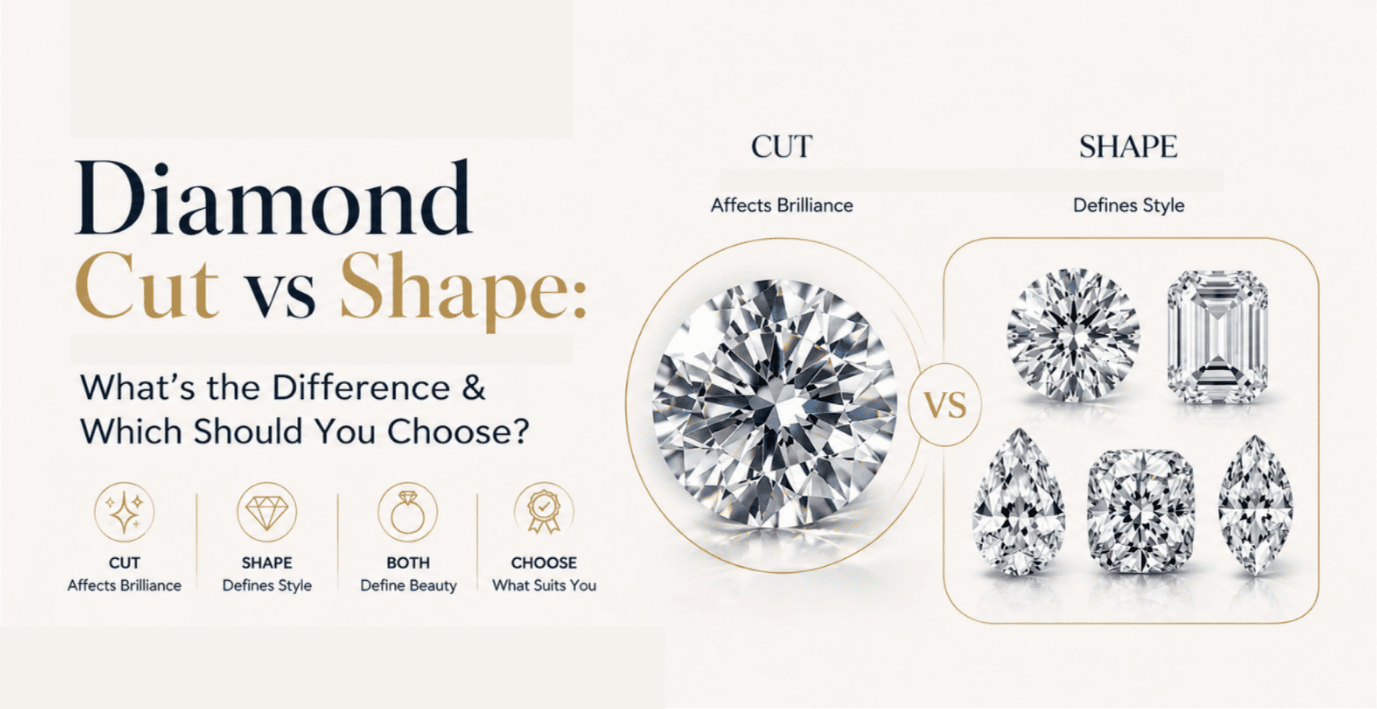
The short version: diamond shape is the outline or silhouette you see from above, while diamond cut describes how the stone is proportioned, faceted, polished, and finished to interact with light. GIA makes the same distinction: “oval,” for example, describes shape, while cut concerns the diamond’s overall design and interaction with light.
For US retail shoppers, that difference matters because the right combination of shape and cut can change the look and sparkle of an engagement ring. For jewelers, designers, and wholesale buyers, it also matters when comparing consistent stones, matching pairs, calibrated layouts, and custom manufacturing. OM Jewels Inc supplies natural and lab-grown diamonds, including fancy shapes, pairs, layouts, and custom diamond manufacturing for jewelry businesses.
Diamond Cut vs Diamond Shape: The Simple Difference
What Does Diamond Shape Mean?
Diamond shape is the visible outline of a polished diamond when viewed face-up. Round, oval, pear, marquise, cushion, emerald, radiant, princess, Asscher, and heart are familiar examples. The shape is one of the strongest visual style choices you make because it affects the silhouette of a ring, pendant, earring, or other jewelry piece.
Shape also affects how a diamond appears at a given carat weight. Elongated shapes such as oval, pear, and marquise can create a different face-up presence from a round or square stone even when the carat weights are similar. For fancy shapes, proportions and symmetry should be evaluated on the actual diamond rather than assuming every stone with the same shape name will look identical.
Diamond cuts explained: types, shapes, cuts and wholesale buying guide
What Does Diamond Cut Mean?
Diamond cut is about craftsmanship and optical performance. It includes the arrangement and proportions of facets, symmetry, polish, and other design factors that determine how efficiently a diamond handles light. GIA describes cut in terms of brightness, fire, and scintillation—the visual effects commonly associated with diamond sparkle.
A crucial 2026 point: GIA currently provides an overall cut grade only for standard round brilliant diamonds in the D-to-Z color range. Fancy shapes such as oval, pear, marquise, cushion, emerald and princess do not currently receive an overall GIA cut grade, although their reports include information such as polish and symmetry. GIA’s current cut-grading guidance explains the distinction.
Why Diamond Cut and Shape Both Matter
Choosing between cut and shape is not really an either-or decision. They answer different questions. Shape answers, “What look do I want?” Cut answers, “How well does this diamond interact with light and how well was it made?”
For a retail buyer, a beautiful shape with weak optical performance may disappoint if sparkle is important. For a wholesale buyer, a technically attractive diamond may still be unsuitable if the measurements, matching requirements, or shape do not fit the jewelry design. The strongest purchase decisions consider both.
How Diamond Cut Affects Sparkle
When someone asks which diamond cut sparkles the most, they are usually asking about light performance. A well-cut diamond can return more light to the observer and produce a lively combination of brightness, fire, and scintillation.
- Brightness: the amount of white light returned from the diamond.
- Fire: flashes of spectral color created as white light is dispersed.
- Scintillation: the flashes and pattern of light and dark areas seen as the diamond or viewer moves.
For standard round brilliants, cut grade is a particularly useful comparison tool. GIA’s 2026 educational guidance says cut can be one of the most important factors in bringing a round brilliant’s beauty to life.
Read also Diamond color guide D to Z scale
Popular Diamond Shapes: Which One Is Right for You?
Round Brilliant
A classic, versatile choice and the shape for which GIA provides an overall cut grade. It is a strong starting point when maximum sparkle and timeless styling are priorities.
Oval
An elongated outline that can create a graceful, finger-lengthening look. Compare length-to-width ratio and actual facet pattern because ovals can vary significantly.
Cushion
A square or rectangular shape with softened corners. Cushion diamonds can have different facet styles, from romantic vintage looks to brighter modern appearances.
Emerald
A step-cut shape with broad, open facets and a clean, architectural look. Because the facets can reveal more of the stone, color and clarity deserve careful consideration.
Radiant
Combines an elongated or square outline with a brilliant-style facet arrangement. A good option for buyers who want an elongated shape with energetic sparkle.
Pear
A rounded end and a pointed end create a distinctive silhouette. Symmetry and the shape of the shoulders are particularly important.
Marquise
A long, pointed shape that can look substantial face-up. Length-to-width ratio and symmetry have a strong impact on appearance.
Princess
A square or rectangular, geometric look that suits modern designs. Corner protection is an important setting consideration.
Asscher
A square step-cut style known for its hall-of-mirrors appearance. Precision and clarity can be especially noticeable.
Heart
A highly expressive shape where symmetry, the cleft, and the definition of the point are central to the finished appearance.
GIA’s buying guidance also recommends evaluating fancy shapes using factors such as length-to-width ratio, line symmetry, smooth curves, and a clearly defined outline. See GIA’s fancy-shape buying guidance rather than relying on the shape label alone.
Which Is More Important: Diamond Cut or Shape?
If you are buying an engagement ring, start with the style you love, then evaluate the quality of the actual diamond. If sparkle is your top priority, pay close attention to cut quality and light performance. If the silhouette is your top priority, compare shapes and proportions first.
For wholesale and B2B buyers, add production requirements to the checklist: exact dimensions, calibrated sizing, matching pairs, consistency across a parcel, certification requirements, and the intended setting. A shape that looks excellent as a single stone may not be the best choice for a large production run if measurements or matching requirements are difficult to maintain.
How to Choose the Right Diamond: A Retail Buying Checklist
- 1. Decide the jewelry style – Choose the setting or product concept first: solitaire, halo, three-stone, earrings, pendant, or custom design.
- 2. Shortlist shapes – Compare round, oval, cushion, emerald, radiant, pear, marquise, princess, Asscher, and heart shapes.
- 3. Compare proportions – For fancy shapes, review length-to-width ratio and actual measurements. The same carat weight can produce very different face-up appearances.
- 4. Prioritize optical performance – For round brilliants, review the formal cut grade and the other grading details. For fancy shapes, inspect the actual stone, symmetry, polish, and visual performance.
- 5. Balance color and clarity – The ideal balance depends on shape and facet style. Step cuts can make clarity and color more noticeable than some brilliant-style shapes.
- 6. Verify the grading report – For significant purchases, check the report number and laboratory information. OM Jewels Inc offers certified natural and lab-grown diamonds depending on inventory and order requirements.
- 7. Compare the actual stone – Two diamonds with identical carat, color, clarity, and shape can still look different. Photos, videos, measurements, and side-by-side comparison help.
- 8. Buy from a supplier that fits your need – Retail shoppers need confidence and product support. B2B buyers need consistency, availability, pricing, fulfillment, and the ability to source special requirements.
Natural vs Lab-Grown Diamonds: Does Cut or Shape Change?
The basic distinction between cut and shape applies to both natural and laboratory-grown diamonds. A lab-grown diamond can have the same diamond structure and optical properties as a natural diamond; its origin is different. In both categories, shape describes the outline and cut describes the craftsmanship and facet design.
For retail customers, the choice may come down to personal preference, budget, rarity, provenance, and the design you want. For wholesale buyers, lab-grown diamonds can be particularly relevant when consistent specifications, larger sizes, or price positioning are important. The right option depends on your collection and customer base.
Why OM Jewels Inc Is Built for Both Retail and Wholesale Buyers
OM Jewels Inc operates from New York’s Diamond District and presents itself as a diamond manufacturer and wholesaler serving jewelers, designers, retailers, and other jewelry professionals. Its current site highlights natural and lab-grown diamonds, fancy shapes, matching pairs, layouts, salt & pepper diamonds, black diamonds, and custom manufacturing.
For US Retail Customers
If you are choosing a diamond for an engagement ring or fine-jewelry purchase, start with the shape that matches your style and then compare stones for cut quality, proportions, color, clarity, certification and overall appearance. You do not have to choose between beauty and practicality: the goal is to find the strongest combination for your priorities.
Interested in a specific stone or need help comparing options? Contact OM Jewels Inc for pricing and availability.
For US Wholesale & B2B Buyers
Jewelers, designers, retailers, and manufacturers often need more than a single attractive stone. They may need matching pairs, calibrated layouts, specific measurements, repeatable quality, bulk quantities, special shapes or custom manufacturing. OM Jewels Inc currently promotes these capabilities, including wholesale access and custom-cut diamond manufacturing.
Explore Fancy Shape Diamonds for distinctive shapes and production ideas.
Explore Diamond Matching Pairs for matched-stone requirements.
Explore Diamond Layouts for calibrated and multi-stone jewelry production.
Explore Salt & Pepper Diamonds for distinctive natural-diamond looks.
Need a special size, shape, or manufacturing requirement? Request a quote from OM Jewels Inc and share your specifications.
Diamond Cut vs Shape: Quick Comparison
| Factor | Diamond Shape | Diamond Cut |
| Meaning | The outline or silhouette | Facet arrangement, proportions, and craftsmanship |
| Primary effect | Style and face-up appearance | Light performance and sparkle |
| Examples | Round, oval, pear, cushion | Brilliant and step-style facet designs; quality of execution |
| Formal GIA cut grade | Not a universal cut-grade scale for fancy shapes | Overall GIA cut grade currently applies to standard round brilliant D-to-Z diamonds |
| Buyer focus | Choose the look you love | Evaluate optical performance and craftsmanship |
Frequently Asked Questions
Is diamond cut the same as diamond shape?
No. Shape is the diamond’s outline, while cut refers to its facet arrangement, proportions, craftsmanship, and how the stone interacts with light.
What is the difference between diamond cut and shape?
Shape tells you what the stone looks like from above; cut tells you how the stone was designed and finished to manage light. The two concepts work together but are not interchangeable.
Which diamond shape sparkles the most?
Sparkle depends on cut style and execution, not shape alone. Round brilliant diamonds are especially associated with strong light performance, but well-cut brilliant-style fancy shapes can also be lively.
Which is more important, diamond cut or shape?
For sparkle, cut quality is critical. For style, shape is critical. The best purchase combines a shape you love with a well-made stone.
Does diamond shape affect diamond cut?
Shape and cut interact, but shape does not determine cut quality on its own. Different shapes use different facet arrangements and proportions.
What does diamond cut mean?
It describes the craftsmanship and optical design of the polished stone, including facet arrangement, proportions, symmetry and polish.
What does diamond shape mean?
It describes the diamond’s visible outline, such as round, oval, pear, marquise, cushion, or emerald.
Do fancy-shape diamonds receive a GIA cut grade?
GIA currently gives an overall cut grade to standard round brilliant diamonds in the D-to-Z color range. Fancy shapes do not currently receive an overall GIA cut grade.
How do I choose the right diamond shape?
Start with the jewelry design and your preferred style, then compare proportions, actual measurements, facet style, color, clarity, certification, and budget.
Can OM Jewels Inc supply diamonds for wholesale orders?
OM Jewels Inc currently markets natural and lab-grown diamonds to jewelers, designers, retailers, and other jewelry professionals, with options including fancy shapes, pairs, layouts, and custom manufacturing. Contact the team for current availability and pricing.
Final Takeaway: Choose the Right Combination, Not Just the Right Label
Diamond cut vs shape is easier to understand when you separate the two ideas: shape is the visual outline, while cut is the craftsmanship and optical performance. A beautiful diamond is not simply a particular shape or a high number on a grading report; it is a stone whose proportions, facet design, symmetry, polish, color, clarity, and overall appearance fit your priorities.
For retail buyers, choose a shape that reflects your style, then compare the actual stones carefully. For wholesale buyers, add consistency, measurements, matching, certification, fulfillment, and manufacturing capability to the decision.
Whether you need one diamond for an engagement ring or a repeatable supply of stones for a jewelry collection, OM Jewels Inc can be a sourcing option for natural diamonds, lab-grown diamonds, fancy shapes, pairs, layouts, and custom manufacturing.
Ready to compare diamonds? Browse current live inventory or request a quote for your specific requirements.
Related posts
When people talk about diamonds, they often focus on carat, color, and clarity. But the way a diamond is cut can have an equally important... Continue reading
Why Fancy Shape Diamonds Are the Growth Story of 2026 For most of the last century, the round brilliant was the default. It still holds... Continue reading
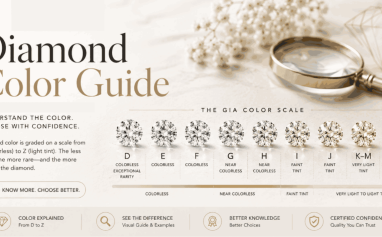
What Diamond Color Actually Measures Diamond color is one of the 4Cs, and it is the one buyers most often misunderstand. For white diamonds, the... Continue reading
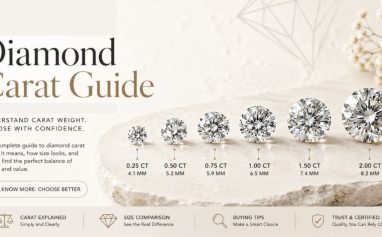
Walk into any jewelry store, and there is one word that gets asked about before anything else. Not cut. Not clarity. Carat.It makes sense. Carat... Continue reading
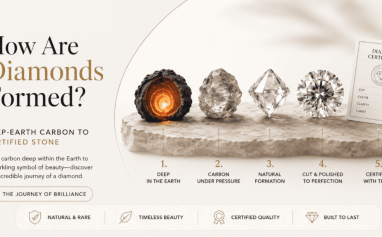
Every natural diamond you have ever seen began as carbon buried between 150 and 700 kilometres beneath your feet, crushed under pressures that would flatten... Continue reading