No products in the cart.

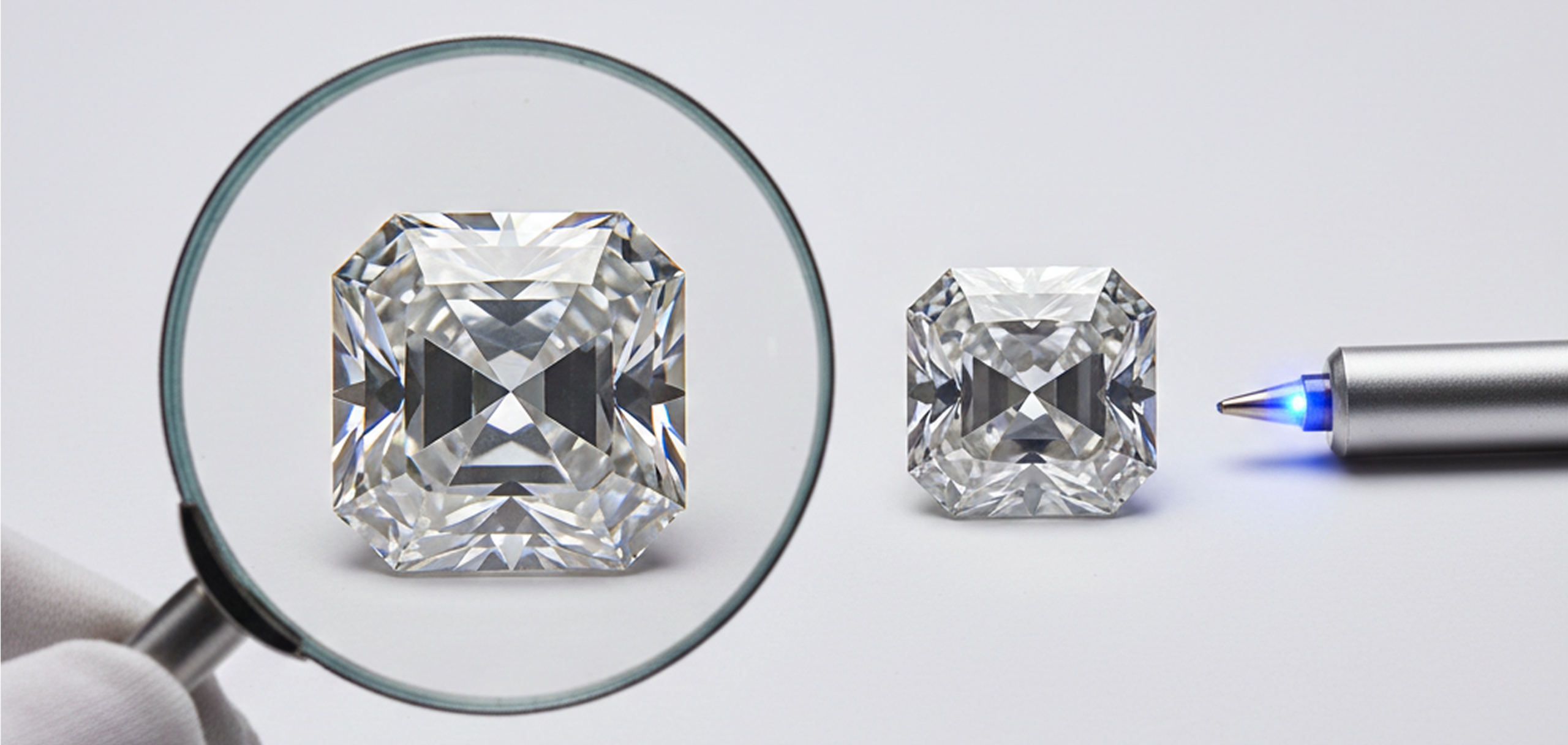
Easy Ways To Identify Natural Diamond At Home
Diamonds are more than just glittering gems. They are an assurance. A moment in time. A love symbol that has been passed down through the ages. However, with so many fakes on the market, how can you be certain that your diamond is real?
Being a gemologist doesn’t require expensive lab equipment. With a few commonplace instruments, you can really do a basic diamond authenticity test at home. Together, let’s discover the truth that lies within your jewel.
The Best At-Home Tests to Determine Whether a Diamond Is Real
There are a number of easy at-home tests that can give you a basic idea of whether or not a stone is a true diamond. These techniques are not infallible, though, and we always advise getting tested by a jeweler.
Test of Sunlight
When exposed to sunlight, real diamonds shine with a breathtaking brilliance. On a sunny day, take the diamond outside or near a window and look at its reflection. Subtle rainbows will accompany brilliant bursts of white light from a genuine diamond.
Fog test
To distinguish a real diamond from a fake, some diamond specialists utilize a breath test. Breathing slowly on a diamond’s surface causes moisture to bead finely over the stone and quickly vanish. Thermal conductivity is the cause.
On a non-diamond, the fog eventually clears. Diamonds are therefore used in electronics. Wafer-thin samples made in the lab are perfect for electronics as thermal conductors. The best heat conductors in the world are diamonds.
Tongue Test
This test concerns diamonds’ exceptional thermal conductivity, or simply their capacity to transmit heat. The chilly feel of diamonds is extremely faint and challenging to notice due to their thermal characteristics.
The heat is removed from your tongue’s surface by diamonds. Diamonds are excellent at distributing heat. Lab-grown diamond wafers are therefore excellent thermal conductors for electrical circuits.
Dot Test
A diamond can be distinguished from glass or cubic zirconia using the dot test. Put the diamond flat on top of a tiny dot that has been drawn on a piece of paper. Peer straight through the stone. The stone is probably a fake if the dot is visible. The high refractive index of a real diamond will scatter light, making it impossible to view the dot properly.
Flashlight Test
Using a flashlight, examine the way a diamond refracts light to determine its authenticity. Point a flashlight straight at the gem. White light will be vividly reflected by a real diamond, while it might not be as fiercely or at all reflected by a fake.
Mirror Test
To observe how the stone reflects light, the mirror test entails setting it up in front of a mirror. Facing the mirror, hold the diamond at various angles. Strong reflections are produced by a real diamond’s extreme light scattering.
Water Test
For the water test, fill a glass with water and carefully drop the loose stone in. A real diamond, being denser than most imitations, will sink to the bottom. If the stone floats or stays suspended, it’s likely not a diamond.
UV Light Test
Certain diamonds produce a glow known as fluorescence when exposed to ultraviolet (UV) light. This UV light test can reveal authenticity for naturally fluorescent diamonds, albeit it is not conclusive. However, as some genuine diamonds don’t glow at all, a stone’s lack of fluorescence does not always indicate that it is a fake.
Tester of Diamonds
To distinguish genuine diamonds from imitations, jewelers employ a specialized diamond tester instrument that measures thermal conductivity. Diamonds, in contrast to many imitations, diffuse heat rapidly.
A diamond tester provides a very trustworthy evaluation by indicating if the stone conducts heat like a diamond should. It’s crucial to remember that depending on the tester tool, several simulants may test as diamonds.
Diamond Certification
A diamond certificate from a respectable gemological laboratory, such as the Gemological Institute of America (GIA), is the most reliable method of confirming a diamond’s authenticity. These certifications offer comprehensive details on the qualities of the diamond and, above all, its authenticity.
Trust a Reputable Jeweler When in Doubt
These at-home diamond tests can assist you in eliminating glaring fakes, but they cannot replace a professional assessment. Jewelers utilize specialized equipment, such as microscopes and thermal conductivity tests, to confirm the quality and genuineness of a diamond.
Every Natural Diamond at OM Jewels Inc, whether it’s in a dainty diamond necklace or a solitaire diamond ring, is ethically sourced and examined by our knowledgeable gemologists. Options made with purpose, transparency, and long-lasting beauty are available in both natural and lab-grown forms.
Purchase Natural Diamonds From OM jewels Inc
Whether you’re assessing a new buy or confirming a treasured relic, knowing how to tell if a diamond is real gives you the confidence to shop.
Only genuine, ethically sourced diamonds that have undergone expert grading and quality certification are available at OM Jewels Inc. Discover more about various cuts, contrast lab-grown and natural diamonds, and discover how grading reports verify authenticity by looking through our vast selection of actual diamonds.
Our diamond specialists can assist you in selecting the ideal item when the time comes. Look through our diamond earrings, bracelets, necklaces, and engagement rings to find pieces of jewelry you will cherish for a lifetime.
In Conclusion
Concerned Indian buyers can be sure they are buying genuine natural diamonds rather than synthetic stimulants with a little experience utilizing magnification, UV light, or basic liquid testing. Verify certifications while purchasing diamonds online.
Before spending a lot of money on a diamond, always do your homework and ask questions. Buyers are better equipped to make wise decisions about their gemstone investments when they are aware of these identification methods. Anyone can steer clear of diamond frauds and fakes with caution.
Related posts
The One-Carat Obsession – and What It Costs You Ask most first-time diamond buyers what they want, and the answer is almost automatic: “a one-carat... Continue reading

Introduction If you have ever compared the price of the same diamond at a retail jewelry store and a wholesale supplier, you already know the... Continue reading
Radiant Cut Diamond Guide for Beginners: Everything You Need to Know in 2026 If you love the fiery sparkle of a round brilliant but prefer... Continue reading
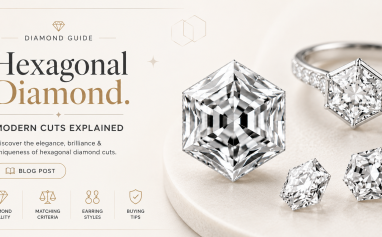
If the round brilliant is the classic little black dress of diamonds, the Hexagonal Diamond is the architectural statement piece – six equal sides, razor-clean... Continue reading
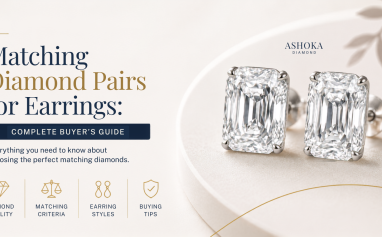
A pair of diamond earrings looks effortless when it is done right – two stones that face up identically, sparkle in unison, and sit perfectly... Continue reading