Lab-Grown Diamond vs Natural Diamond: Key Differences
It can feel like a big step to buy a diamond, which is the classic symbol of endless love. You are suddenly inundated with information, including certificates, the four Cs (cut, clarity, color, and carat), and the one important question: is a lab-created diamond better than a natural diamond? This question is no longer specialized.
For anyone purchasing a diamond today, this is the question. Have you ever wondered why people are looking for it all the time? Simple. They have a great need for information, transparency, and the capacity to make morally sound decisions. Transparency in pricing, sustainability, and ethics are displacing tradition and symbols.
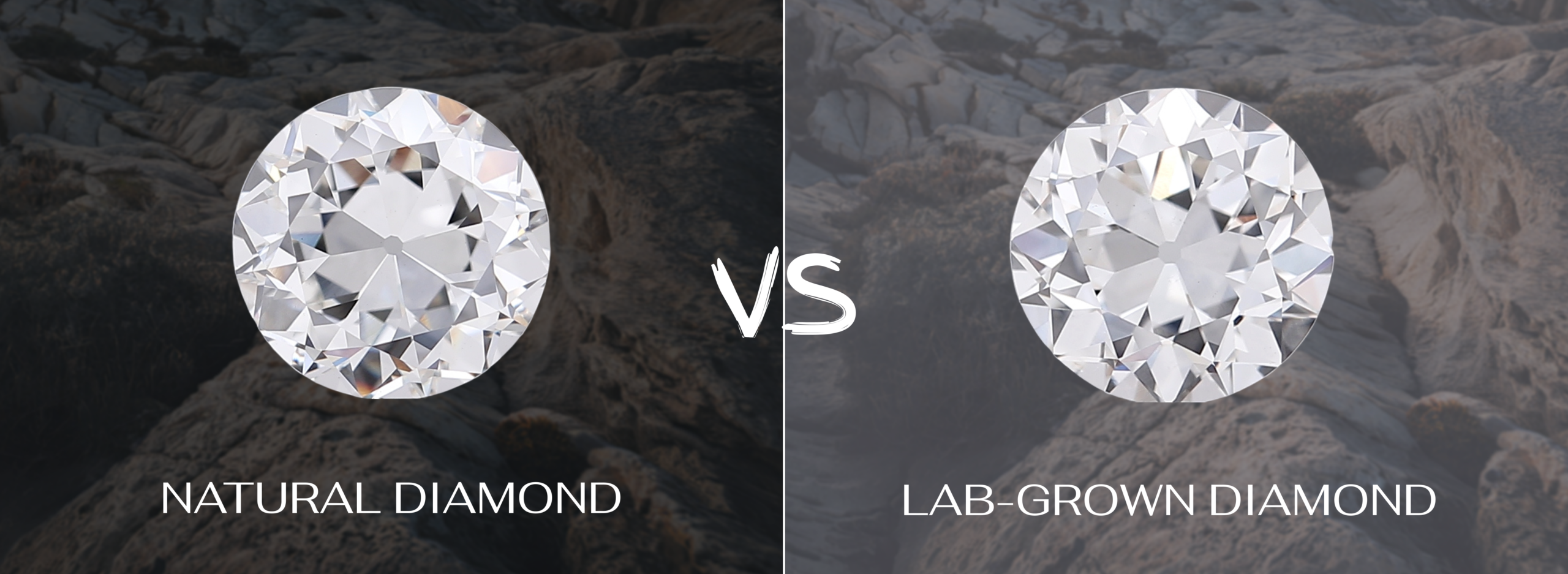
The main differences between lab-grown and natural diamonds will be discussed in this article, along with their composition, appearance, cost, ethical issues, environmental impact, and even long-term financial outlook. Let’s begin!
Lab-Grown Diamonds
Lab-grown diamonds, sometimes referred to as synthetic, man-made, or lab-created diamonds, are produced in carefully regulated lab settings with cutting-edge technology that mimic the process by which diamonds form naturally. These diamonds have the same chemical, physical, and optical characteristics as real diamonds since they are formed of the same carbon.
They are a more cost-effective alternative to natural diamonds of the same size and quality because their manufacturing isn’t constrained by the speed of nature, potentially resulting in an endless supply. Lab-grown diamonds can be the ideal option if you prize flair and innovation without sacrificing brilliance.
Natural Diamonds
Carbon deposits located far below the Earth’s surface give rise to natural diamonds over millions to billions of years. Over geological time, these carbon atoms eventually crystallize into diamond due to the extreme heat and pressure they experience in the Earth’s mantle.
These valuable stones are eventually brought closer to the surface by volcanic eruptions and can be extracted through tiny volcanic pipelines.
Natural diamonds are rare and valuable because of their restricted supply. Which results from this time-consuming natural process that cannot be duplicated on demand. In essence, every diamond is a geological time capsule—a piece of Earth’s prehistoric past.
How Are Diamonds Produced In A Lab?
Lab-grown diamonds are exactly what their name implies: diamonds that have been produced in a lab utilizing cutting-edge technology, such as High Pressure High Temperature (HPHT) or Chemical Vapour Deposition (CVD), which replicates the natural process of diamond production.
The most popular method, CVD, starts with a diamond “slice” that has already developed its crystalline structure. Usually referred to as the diamond “seed,” it is subsequently put in a vacuum where the carbon molecules absorb to form the diamond seed, which grows like a real diamond. You may read more about the methods used to generate lab-grown diamonds here if you want to get even more technical.
Under a program called Project Super pressure, General Electric produced the first batch of lab-grown diamonds in the 1950s. However, they have only lately entered the commercial market as their quality and affordability have increased over the past ten years.
Read:- Complete Guide Of Salt And Pepper
To What Extent Are Lab Grown Diamonds Sustainable?
Let’s examine the effects that lab-grown and natural diamonds have on the environment.
The diamond “seed” was placed in a carbon gas chamber with a temperature range of 1500–2800 degrees Celsius as part of the CVD process.
“High pressure and high temperature” are terms used to describe the HPHT process. The diamond “seed” is put in a carbon gas chamber with high carbon gas concentrations at temperatures between 3000 and 4000 degrees Celsius.
All lab-grown diamonds usually undergo HPHT treatment. To get the greatest finish, a diamond will go through the HPHT procedure even if it was created via CVD. Although lab-grown diamonds make the supply chain more transparent, their production nevertheless uses a lot of energy.
At OM Jewels, our curated Lab-Grown Diamond Pair Inventory offers beautifully matched diamonds that deliver consistent color, cut, clarity, and carat — every time. Because lab-grown diamonds are created in controlled environments, jewelers and shoppers alike benefit from uniform quality and predictable pairing that’s difficult to achieve with natural stones.
To What Extent Are Natural Diamonds Sustainable?
Although there is no doubting that natural diamonds have an influence on the environment, a report from the Diamond Producers Association asserts that natural diamonds are better for the environment than lab-grown diamonds since the production of lab-grown diamonds uses a lot of carbon. We have so far concentrated on partnering with only the world’s top suppliers who share our ethical and sustainable values.
To make sure that our diamond supply chain is genuinely sustainable or ethical, we would prefer to keep striving for higher-quality third-party auditing procedures. Because it uses blockchain-based records across the supply chain rather than a physical paper trail, which is much less dependable, Everledger is one such approach.
Due to their current scarcity, we are only able to provide blockchain diamonds in a restricted capacity at this time. When a customer has a specific interest, we urge them to ask directly for a blockchain diamond. Our knowledgeable staff will do their best to find options for you, if any are available. Our portfolio will grow as our suppliers start implementing this as a best practice for the industry.
Taking everything into account, there is no disagreement about whether lab-grown diamonds are a more environmentally friendly choice, but we do expect more producers to investigate ways to reduce their emissions in the years to come.
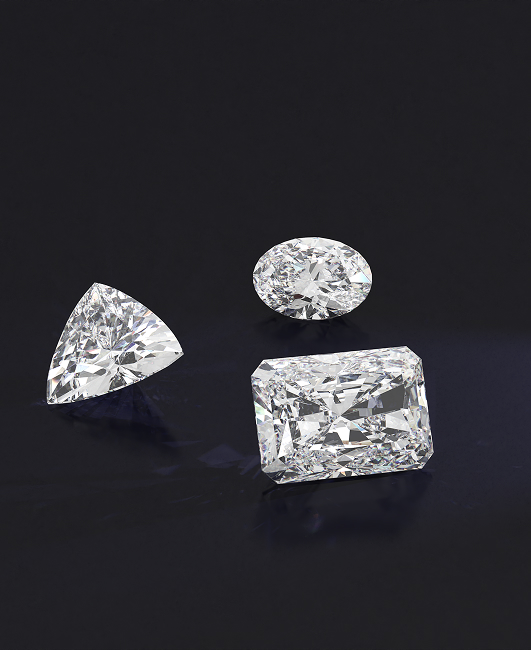
For those seeking a unique expression of elegance and personality, natural fancy shape diamonds offer timeless beauty with distinctive flair. Unlike traditional rounds, fancy shapes bring character, style, and an unforgettable presence to every piece of jewelry — from engagement rings to statement pendants.
At OM Jewels, we celebrate this diversity with a stunning selection of natural fancy shape diamonds, each chosen for its exceptional cut, brilliance, and natural origin. These diamonds capture the rare artistry of Mother Nature, refined over millions of years beneath the earth’s surface.
They are a more cost-effective alternative to natural diamonds of the same size and quality because their manufacturing isn’t constrain by the speed of nature, potentially resulting in an endless supply. Lab-grown diamonds can be the ideal option if you prize flair and innovation without sacrificing brilliance.
Natural Diamonds
Carbon deposits located far below the Earth’s surface give rise to natural diamonds over millions to billions of years. Over geological time, these carbon atoms eventually crystallize into diamond due to the extreme heat and pressure they experience in the Earth’s mantle.
These valuable stones are eventually brought closer to the surface by volcanic eruptions and can be extracted through tiny volcanic pipelines.
Natural diamonds are rare and valuable because of their restricted supply, which results from this time-consuming natural process that cannot be duplicated on demand. In essence, every diamond is a geological time capsule—a piece of
How Are Diamonds Produced In A Lab?
Lab-grown diamonds are exactly what their name implies: diamonds that have been produce in a lab utilizing cutting-edge technology, such as High Pressure High Temperature (HPHT) or Chemical Vapour Deposition (CVD), which replicates the natural process of diamond production.
The most popular method, CVD, starts with a diamond “slice” that has already developed its crystalline structure. Usually refer to as the diamond “seed,” it is subsequently put in a vacuum where the carbon molecules absorb to form the diamond seed, which grows like a real diamond. You may read more about the methods used to generate lab-grown diamonds here if you want to get even more technical.
Under a program called Project Superpressure, General Electric produced the first batch of lab-grown diamonds in the 1950s. However, they have only lately entered the commercial market as their quality and affordability have increased over the past ten years.
To What Extent Are Lab Grown Diamonds Sustainable?
Let’s examine the effects that lab-grown and natural diamonds have on the environment.
The diamond “seed” was place in a carbon gas chamber with a temperature range of 1500–2800 degrees Celsius as part of the CVD process.
“High pressure and high temperature” are terms use to describe the HPHT process. The diamond “seed” is put in a carbon gas chamber with high carbon gas concentrations at temperatures between 3000 and 4000 degrees Celsius.
All lab-grown diamonds usually undergo HPHT treatment. To get the greatest finish, a diamond will go through the HPHT procedure even if it was create via CVD. Although lab-grown diamonds make the supply chain more transparent, their production nevertheless uses a lot of energy.
To What Extent Are Natural Diamonds Sustainable?
Although there is no doubting that natural diamonds have an influence on the environment, a report from the Diamond Producers Association asserts that natural diamonds are better for the environment than lab-grown diamonds since the production of lab-grown diamonds uses a lot of carbon. We have so far concentrated on partnering with only the world’s top suppliers who share our ethical and sustainable values.
To make sure that our diamond supply chain is genuinely sustainable or ethical, we would prefer to keep striving for higher-quality third-party auditing procedures. Because it uses blockchain-based records across the supply chain rather than a physical paper trail, which is much less dependable, Everledger is one such approach.
Due to their current scarcity, we are only able to provide blockchain diamonds in a restricted capacity at this time. When a customer has a specific interest, we urge them to ask directly for a blockchain diamond. Our knowledgeable staff will do their best to find options for you, if any are available. Our portfolio will grow as our suppliers start implementing this as a best practice for the industry.
Taking everything into account, there is no disagreement about whether lab-grown diamonds are a more environmentally friendly choice, but we do expect more producers to investigate ways to reduce their emissions in the years to come.
FAQs
What Distinguishes Natural Diamonds From Lab Grown Diamonds?
The primary distinction between natural and lab-grown diamonds is where they come from. Lab-grown diamonds are produce in a control laboratory setting over a shorter time span than natural diamonds, which are form over millions of years by natural geological processes deep under the Earth’s mantle.
Do Lab Grown Diamonds Cost Less Than Their Natural Counterparts?
In general, lab-grown diamonds cost less than natural diamonds of the same size and grade. Lower production costs for lab-grown diamonds and the lack of mining-related charges are the sources of the cost reduction.