No products in the cart.
Lab grown diamonds are actual diamonds that are manufactured in contemporary laboratories utilizing advanced technology. They are not alternatives or look-alikes like cubic zirconia or moissanite.
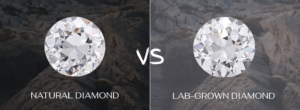
Rather, they are visually, chemically, and physically similar to diamonds that have been mined. Both have a hardness of 10 on the Mohs scale, are composed of pure carbon in a crystal form, and have the same brilliance and durability.
The way they are formed is the only distinction. Natural diamonds are generated deep under the earth over billions of years, while lab grown diamonds are created in controlled circumstances within weeks.
To the naked eye, both look exactly the same, and even skilled gemologists need advanced instruments to tell them apart.
Lab grown diamonds are actual diamonds that are manufactured in contemporary laboratories utilizing advanced technology. They are not alternatives or look-alikes like cubic zirconia or moissanite. Rather, they are visually, chemically, and physically similar to diamonds that have been mined. Both have a hardness of 10 on the Mohs scale, are composed of pure carbon in a crystal form, and have the same brilliance and durability.
The way they are formed is the only distinction. Natural diamonds are generated deep under the earth over billions of years, while lab grown diamonds are created in controlled circumstances within weeks. To the naked eye, both look exactly the same, and even skilled gemologists need advanced instruments to tell them apart.
Selecting the Ideal Lab-Grown Diamond
Now we’ve covered everything from what are lab diamonds? To the difference between lab-grown diamonds and natural diamonds, it’s time to pick on the correct lab-created diamond for you.
There’s no difference between lab-grown diamond vs natural diamond certification — both use the fours Cs to verify quality and authenticity. The four Cs (colour, cut, clarity and carat weight) are determined by renowned certification authorities like the International Gemological Institute (IGI) to provide you a transparent picture of the stone’s attributes.
Keeping your lab-grown diamonds looking their best is the same as you would with real diamonds. Use a soft cloth or brush to carefully clean the stone to remove any debris and avoid harsh chemicals that can damage both the diamond and its setting.

An independent study that details the features of your diamond is called a diamond certificate. It is proof of authenticity and is supplied by reputable gemological laboratories. Verifying the certificate is equally as crucial as selecting the stone when purchasing a lab-grown diamond in India.
Key factors to learn regarding certification:
4Cs Grading: The certificate covers details about the diamond’s Cut, Color, Clarity, and Carat.
Identification Number: Every certified diamond has a unique number that is frequently laser-inscribed on the stone for easy verification.
Origin: Lab-grown diamond certificates explicitly state that the diamond was produced in a lab.
Proportions and Measurements: The report provides the exact dimensions of the diamond, which impact its brilliance.
Security: It is impossible to tamper with or duplicate a certificate.
30–60% more affordable than mined diamonds Get bigger carat size or higher clarity & color for the same budget Ideal for engagement rings and custom jewelry
Conflict-free
No mining
No land damage
No conflict concerns
No unsafe labor practices
Created with far less environmental impact-less land disturbance, lower water use, and a smaller carbon footprint.
Lab diamonds are graded by
reputed gem labs using the
same 4Cs (Cut, Color, Clarity, Carat). Full transparency guaranteed.
Now we’ve covered everything from what are lab diamonds? To the distinction between lab-grown diamonds and natural diamonds, it’s time to select on the correct lab-created diamond for you.
There’s no difference between lab-grown diamond vs natural diamond certification – both use the fours Cs to validate quality and authenticity. The four Cs (colour, cut, clarity and carat weight) are determined by renowned certification authorities like the International Gemological Institute (IGI) to provide you a transparent image of the stone’s properties.
The same maintenance that applies to actual diamonds also applies to lab-grown diamonds. Use a soft cloth or brush to delicately clean the stone to remove any debris and avoid harsh chemicals that might damage both the diamond and its setting.
Yes. Lab grown diamonds are 100% real diamonds. They are not simulants like cubic zirconia or moissanite. The only difference is their origin — lab grown diamonds are created in a lab, while natural diamonds are mined from the earth.
Yes. Lab grown diamonds typically cost 30–60% less than natural diamonds of the same size and quality, making them an excellent choice for buyers seeking larger or higher-quality diamonds at a more accessible price.
Lab grown diamonds are ideal for beauty, size, and value at purchase, but they generally do not appreciate over time like some natural diamonds. They are best chosen for personal enjoyment rather than long-term investment.
Lab grown diamonds are considered a more sustainable and ethical option, as they avoid mining and reduce environmental and social impact. However, sustainability can vary by producer depending on energy sources used.